Composting 101: Turn Fall Leaves into Garden Gold

September 22, 2026

When fall leaves begin covering your yard, they don't have to become a pile of waste headed for the curb. With the right approach, those leaves can become nutrient-rich compost that improves your soil, supports healthy plants, and gives your garden a sustainable boost.


Composting leaves is a simple way to put natural yard waste to work. Whether you have a large backyard garden or a
few raised planting beds, fall leaves can provide an excellent source of carbon for a healthy compost pile.

Why Compost Fall Leaves?

Leaves are one of the easiest materials to compost. As they break down, they add organic matter to the soil, helping prevent soil erosion, promote moisture retention, and improve soil texture and drainage.


Instead of throwing away fallen leaves, homeowners can turn them into a useful soil amendment for
gardens, flower beds, trees, and other areas of the landscape. Compost can also reduce the amount of organic yard waste that needs to be removed from your property.


For Chattanooga homeowners, composting is especially useful because adding organic matter can help improve the condition of local soils and create a healthier environment for plants.

How Does Fall Leaf Composting Work?

Composting works by allowing naturally occurring microorganisms, such as bacteria and fungi, to break down organic materials over time. As these microorganisms feed on leaves and other compostable materials, they gradually turn them into a dark, nutrient-rich material that can be added back to the soil.


Successful fall leaf composting comes down to providing the right combination of materials, moisture, air, and time. Leaves are considered a "brown" compost material, meaning they provide carbon. For a balanced compost pile, combine them with "green" materials that provide nitrogen.


Good “green” materials to add to your leaf compost include:


Avoid adding meat, dairy products, pet waste, diseased plants, or chemically treated yard materials to your compost pile.


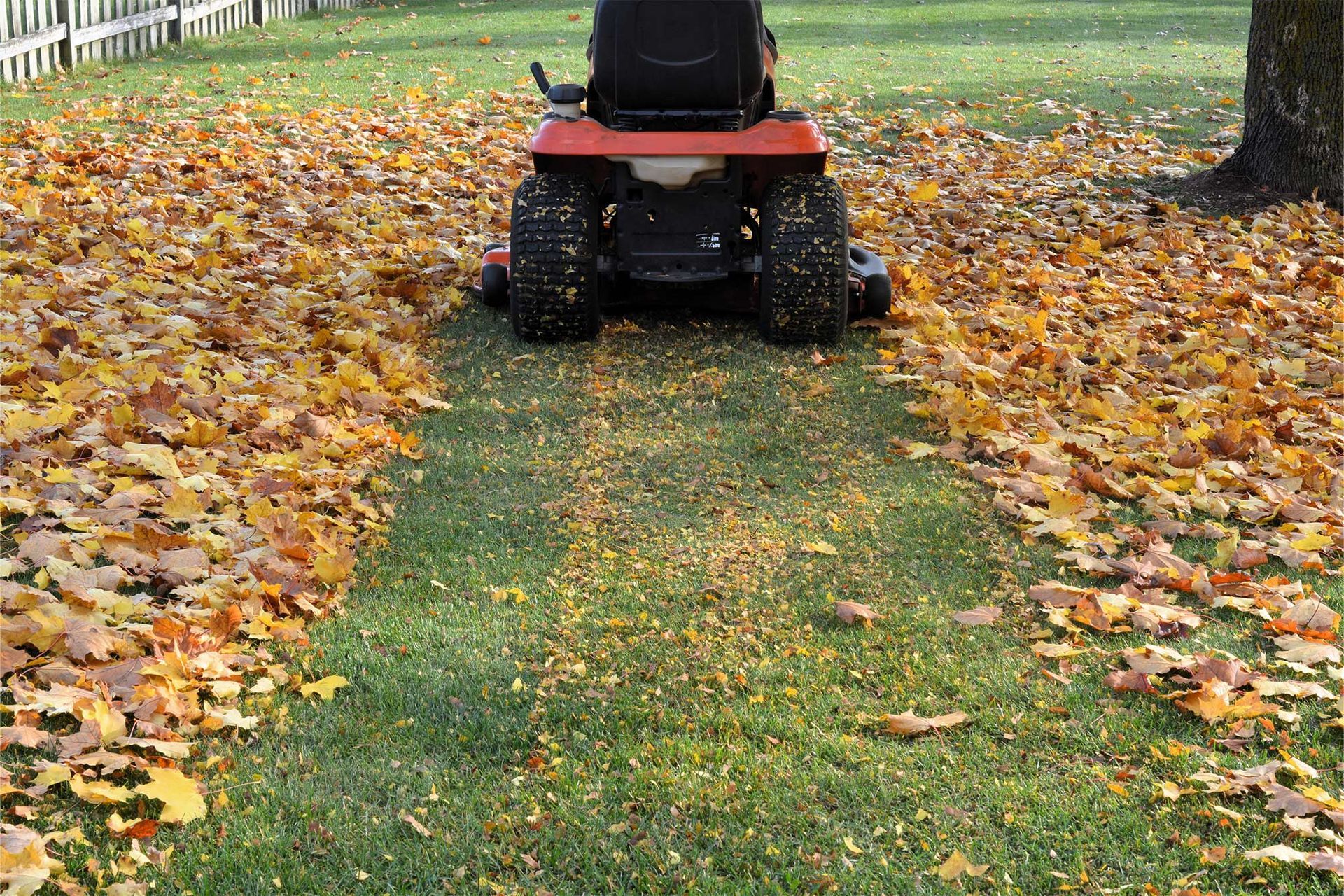
Shredding or mowing over leaves before adding them can help them break down more quickly. Smaller pieces provide more surface area for microorganisms to work on, speeding up the decomposition process.
Starting a Backyard Compost Bin

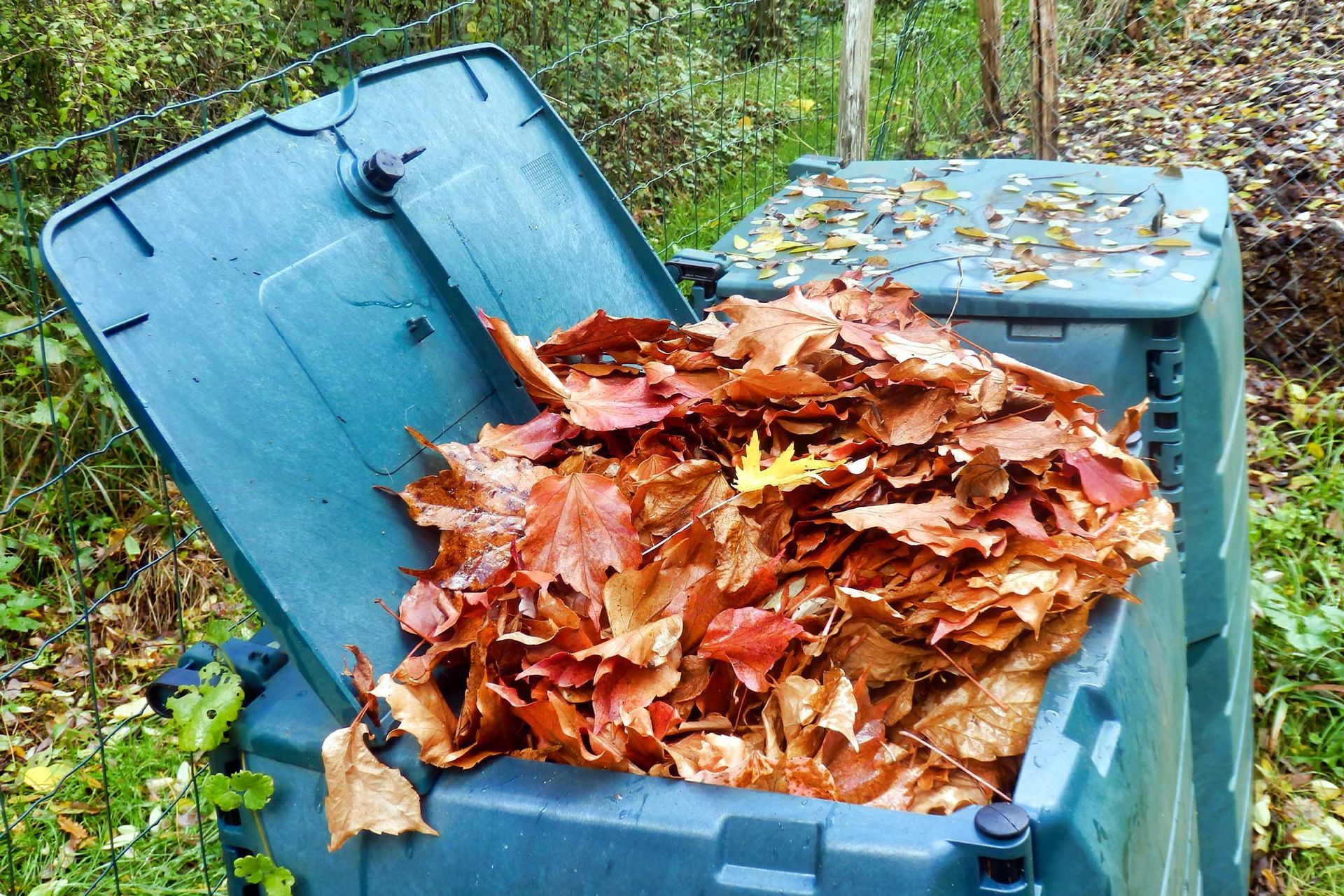
A backyard compost bin doesn't have to be complicated. Choose a convenient location with good drainage and some access to sunlight. You can use a purchased compost bin, a simple enclosed structure, or a designated area of your yard.


Start with a base layer of bulky browns, like twigs and wood chips, to elevate your pile and allow air to circulate. Then, alternate layering your leaves and green materials. The recommended ratio is 2:1 or 3:1 of browns to greens, and always ensure your food scraps are covered by a layer of leaves or other browns.


The pile should be damp but not soaking wet, similar to a wrung-out sponge. Turning the compost occasionally introduces oxygen and helps materials break down evenly.


Don't worry if the process doesn't happen overnight. Depending on the materials, moisture, temperature, and how often the pile is turned, finished compost can take several months.

What Should You Do With Finished Compost?

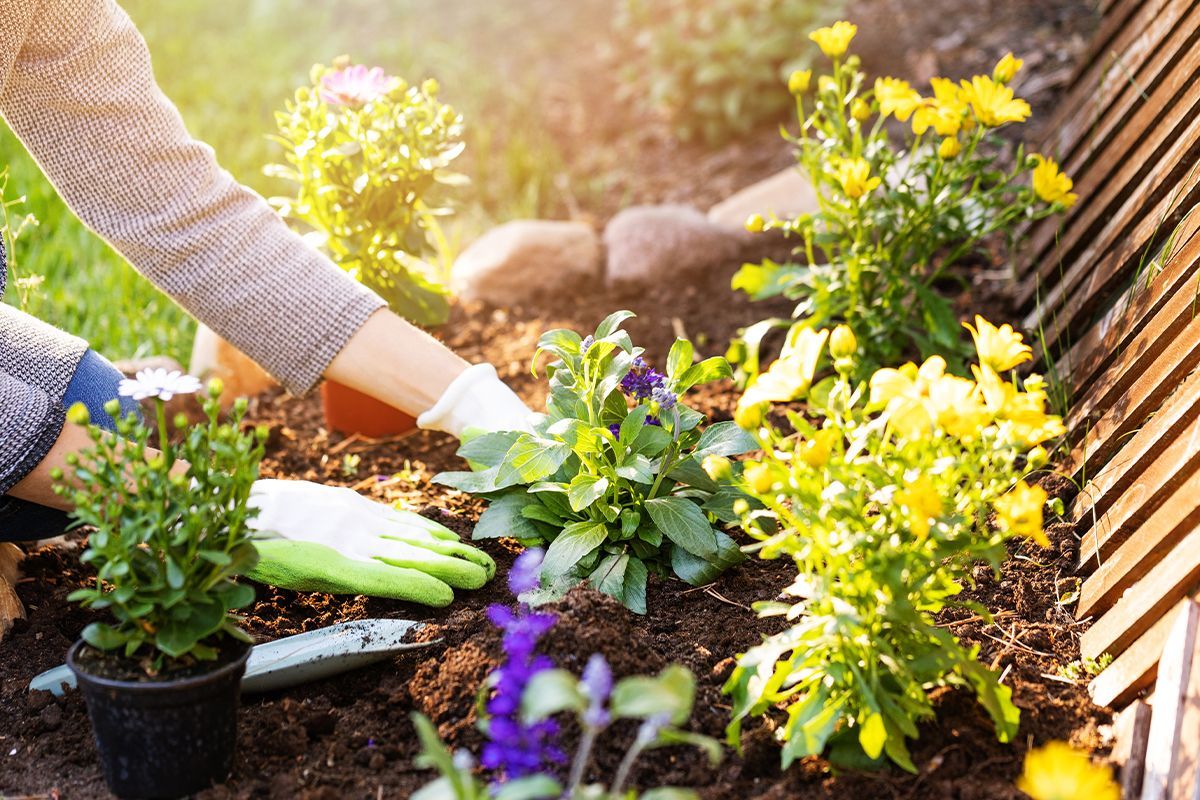
When the leaves and other materials have broken down into a dark, crumbly material with an earthy smell, your compost is ready to use. You can mix it into garden beds before planting, add a thin layer around established plants, or incorporate it into soil when creating new planting areas.


For gardens and lawns that need more than improved soil, thoughtful planting and
regular maintenance can help create a landscape that stays healthy throughout Tennessee's changing seasons.
Can You Compost All Your Fall Leaves?

Most leaves can be composted, but some are better suited to the process than others. Dry leaves from healthy trees are generally excellent additions to a compost pile. Large, thick leaves should be shredded first so they don't mat together and prevent air and moisture from moving through the pile.


Leaves from plants treated with herbicides or other chemicals should be handled according to the product's instructions rather than automatically added to compost.
Diseased plant material is also best kept out of a home compost pile to reduce the possibility of spreading plant diseases.


If you have more leaves than your compost bin can handle, don't feel like you have to compost everything at once. Excess leaves can be stored in a separate pile and allowed to break down gradually, creating leaf mold that can also be valuable for gardens and soil.

Ready to Put Your Fall Leaves to Work?

Composting is one way to make your yard more sustainable, but healthy landscapes require care throughout every season. Green Grounds Solutions can help with seasonal cleanup, gardening, mulch installation, and other landscaping services designed to keep your Chattanooga property looking its best all year long.


Contact Green Grounds Solutions today
at (423) 883-9504 to request a free estimate and get your landscape ready for the season ahead.
By Digital Smart Marketing • June 17, 2026
Prevent lawn disease in Tennessee with expert tips for brown patch prevention and fungal lawn care in Chattanooga.
By Carlos Romero • March 20, 2026
Chattanooga homeowners know that creating a thriving garden often comes with a unique challenge: clay soil. While clay contains valuable nutrients, its dense structure can make it difficult for water, air, and plant roots to move freely. The result is often poor drainage, compacted soil, and plants that struggle to grow. One of the most effective solutions is installing raised garden beds, which provide greater control over soil conditions and allow gardens to flourish despite the region’s heavy clay.
By Carlos Romero • December 29, 2025
As we approach 2026, it’s time to reflect on the landscape design trends that will dominate the upcoming year. Whether you’re planning a full garden makeover or just looking to refresh your outdoor space, there are countless design ideas to elevate your landscape and make it a stunning retreat. From sustainable design principles to incorporating technology and focusing on year-round beauty, these trends will inspire you to transform your outdoor spaces for the better. At Green Grounds Solutions , we believe in providing our clients with cutting-edge designs that are both functional and aesthetically pleasing. That’s why we use Real Time Landscaping Architect , the most advanced landscaping software, to create immersive maps, detailed renderings, and virtual movies of your dream landscape. With this powerful tool, we can help you visualize your entire yard transformation before a single shovel hits the ground. Let’s dive into the top landscape design trends to inspire your garden makeover in 2026. 1. Sustainable & Eco-Friendly Landscaping Sustainability is at the forefront of landscape design as homeowners seek to reduce their environmental impact while creating beautiful outdoor spaces. Here are some key elements that will define eco-friendly landscapes in 2026: Native Plants : By choosing plants that are native to your area, you’ll create a more resilient, water-efficient landscape. Native plants are adapted to local conditions, requiring less water and fewer chemicals, making them a sustainable choice. Rain Gardens & Stormwater Management : Incorporating rain gardens into your landscape design helps manage stormwater runoff, reducing the risk of flooding and erosion. These gardens are designed to capture and absorb rainwater, which also nourishes your plants naturally. Water Conservation Features : Xeriscaping, or drought-tolerant landscaping, continues to grow in popularity. You can design your garden with plants that thrive in dry conditions and require minimal watering, reducing your water consumption. Sustainability doesn’t mean sacrificing beauty. We can show you how to use Real Time Landscaping Architect to design a sustainable garden that enhances your home’s beauty while being environmentally conscious. 
By Carlos Romero • December 10, 2025
As the year comes to a close and we look ahead to a fresh start, what better time than now to plan for the landscaping transformation you’ve been dreaming about? While winter may have your garden in a bit of a slumber, this is the perfect season to rethink, redesign, and get ready for the vibrant blooms and lush greenery of spring. Winter-ready landscape design isn't just about hunkering down for the cold months—it’s about preparing your property to shine no matter the season. Whether you’re looking for year-round beauty, easy maintenance, or a new way to add warmth and coziness to your outdoor spaces, we’ve got plenty of design ideas to inspire you. Let’s dive into some creative landscape solutions that will help you welcome the new year with a stunning, functional, and winter-ready yard!
By Carlos Romero • December 1, 2025
As the chill of winter settles in and your garden starts to wind down, now is the perfect time to think ahead to next year’s growing season. While most gardeners are wrapping up their outdoor chores, one essential task shouldn’t be overlooked: preparing your soil for the months ahead. Winterizing your garden’s soil is one of the best ways to ensure your plants have the nutrients and structure they need to thrive come spring.  Think of soil as the foundation of a house—it’s the base that supports everything you grow, and ensuring it’s in top shape will make your garden healthier, more productive, and ready for an amazing growing season. In this blog, we’ll dive into some fun and easy soil preparation tips that will give your garden a jumpstart and ensure it’s primed for success when the warmer weather returns.
By Carlos Romero • November 25, 2025
As the days shorten and temperatures drop, many homeowners in Chattanooga face the inevitable: a brown, dormant lawn. Traditional grass lawns struggle to maintain their vibrant green color throughout the winter months due to frost, freezing temperatures, and the lack of sunlight. But there’s a solution that can keep your yard looking lush and vibrant all year long—artificial turf. If you're tired of the hassle of winter lawn care or simply want to enjoy a beautiful, green yard throughout the colder months, artificial turf is the perfect option. In this blog, we'll explore how artificial turf can keep your yard green through winter, the benefits it offers, and why it's the right choice for your property.
By Carlos Romero • October 20, 2025
As the crisp air of fall rolls in, it’s the perfect time to turn your attention to tree planting. While spring is often touted as the ideal time to plant trees, fall offers several advantages that make it a prime season for tree installation in Chattanooga. With cooler temperatures and more consistent rainfall, fall provides the ideal environment for your new trees to establish strong roots before the winter chill arrives.  In this guide, we’ll explore why fall is the best time to plant trees in Chattanooga, along with expert tips on how to make your tree installation a success.
By Carlos Romero • October 13, 2025
As the chill of fall begins to set in and winter approaches, your outdoor living spaces might be at risk of damage from cold temperatures, moisture, and harsh weather conditions. While many homeowners focus on preparing their lawn and garden beds for winter, outdoor furniture and hardscaping often get overlooked. Protecting these areas is essential to preserving the beauty, functionality, and longevity of your outdoor spaces.  Whether you’ve invested in a beautiful new patio, fire pit, or seating area, or you’re looking for ways to safeguard your hardscaping elements from the elements, we’re here to help. In this blog, we’ll discuss how to protect your outdoor furniture and hardscaping features for the winter, along with how our expert hardscaping services—such as pouring concrete, paver installation, and gravel/pea pebble installations—can prepare and protect your outdoor space throughout the colder months.
By Carlos Romero • September 25, 2025
Keep your lawn healthy year-round with raking, leaf removal, and sustainable yard care from Chattanooga experts.
By Carlos Romero • September 10, 2025
As the sweltering heat of summer fades and cooler, crisp days arrive, it’s the perfect time to think about your lawn’s health and beauty. Fall is one of the best seasons for planting new grass or rejuvenating an existing lawn. With the right timing and technique, you can ensure a lush, vibrant green lawn that will thrive through the cooler months and set the stage for a stunning yard in the spring. Here’s your ultimate guide to fall grass seeding, filled with expert tips to help you achieve the lawn of your dreams. Why Fall is the Best Time for Grass Seeding Many homeowners overlook the fall as an ideal time to plant grass, but this season offers a variety of benefits that make it the perfect window for seeding: Cooler temperatures: The cooler air and soil temperatures create an ideal environment for grass seed germination. Grass grows best in temperatures between 50-65°F, which is common during the fall months. Less competition from weeds: Weeds tend to slow down during fall, giving your grass seeds a better chance to establish roots before the winter months. Moisture: Fall often brings more consistent rainfall, helping the seeds settle into the soil and providing them with the moisture they need for germination. Strong root development: Grass seeds planted in the fall have the chance to grow strong roots before the winter freeze. This root development ensures that the grass will be healthier and more resilient when spring arrives. Step-by-Step Guide to Fall Grass Seeding Achieving a lush, green lawn through fall seeding requires careful preparation and attention to detail. Follow these steps to ensure your grass has the best chance for success: Choose the Right Grass Seed for Your Region Selecting the right grass seed is critical for achieving a healthy, lush lawn. For fall seeding, certain grass varieties are better suited to cooler temperatures and the growing conditions of fall. Here are some top choices for your lawn: Fescue: Fescue is a cool-season grass that thrives in cooler temperatures and is well-suited for the fall. It’s known for its shade tolerance and ability to create a lush, green lawn. It's an excellent choice for lawns that receive partial shade or areas with more foot traffic. Bermuda: While Bermuda is typically a warm-season grass, it can still be seeded in the fall in regions where the winter is mild. Bermuda grass is heat-tolerant and drought-resistant, and it can develop strong roots in fall, preparing it to grow vigorously in the spring. Clover/Fescue Mix: For a low-maintenance, eco-friendly lawn, consider a mix of fescue and clover. Clover is drought-resistant and provides excellent ground cover, while fescue offers the lush, green look typical of a traditional lawn. The combination creates a hardy lawn that’s resilient and requires less water and fertilizer. SlopeMaster: For areas with slopes, consider using SlopeMaster seed. This blend is specifically formulated for erosion control and fast establishment on sloped surfaces. It's an excellent choice for preventing soil erosion while providing a green, attractive cover on hilly landscapes. Choosing the right grass mix for your needs and lawn conditions will ensure a successful seeding and establish a lawn that thrives throughout the fall and spring.