Preparing Your Soil for Next Year: Winterizing Tips for a Healthier Garden
As the chill of winter settles in and your garden starts to wind down, now is the perfect time to think ahead to next year’s growing season. While most gardeners are wrapping up their outdoor chores, one essential task shouldn’t be overlooked: preparing your soil for the months ahead. Winterizing your garden’s soil is one of the best ways to ensure your plants have the nutrients and structure they need to thrive come spring.
Think of soil as the foundation of a house—it’s the base that supports everything you grow, and ensuring it’s in top shape will make your garden healthier, more productive, and ready for an amazing growing season. In this blog, we’ll dive into some fun and easy soil preparation tips that will give your garden a jumpstart and ensure it’s primed for success when the warmer weather returns.
Why Winterizing Your Soil is Important
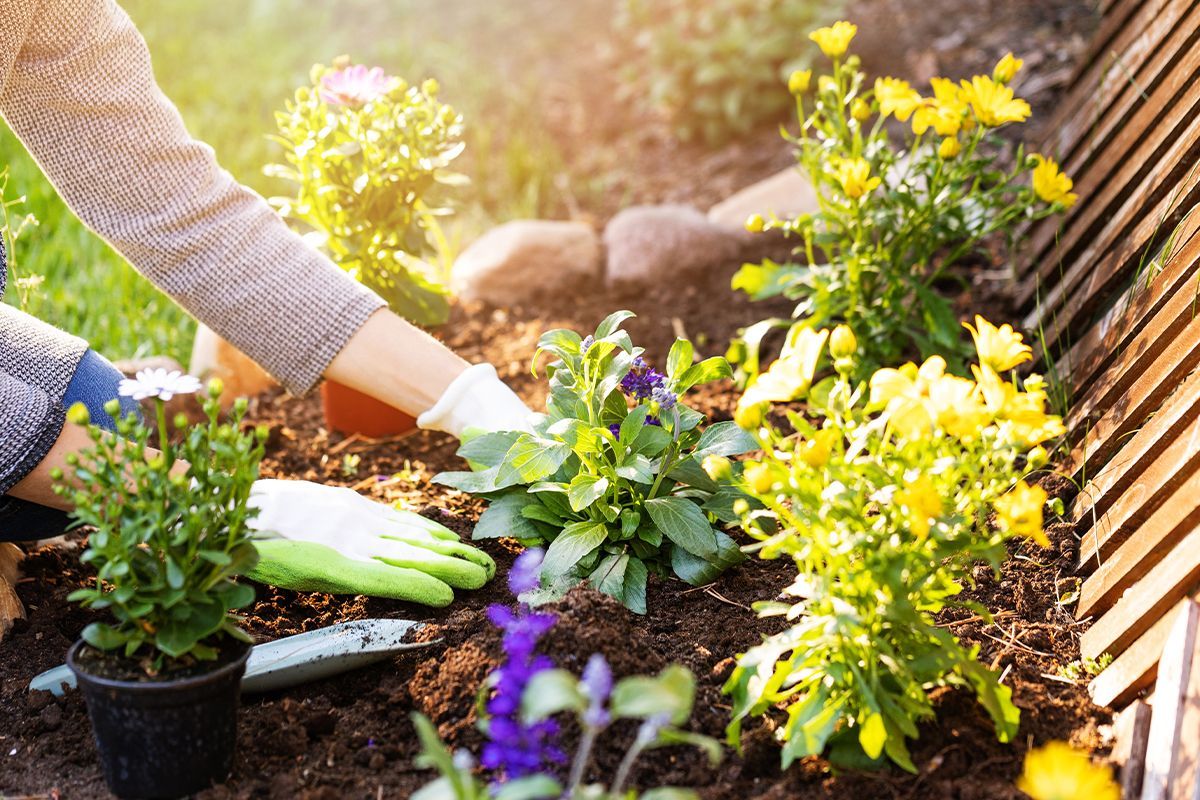
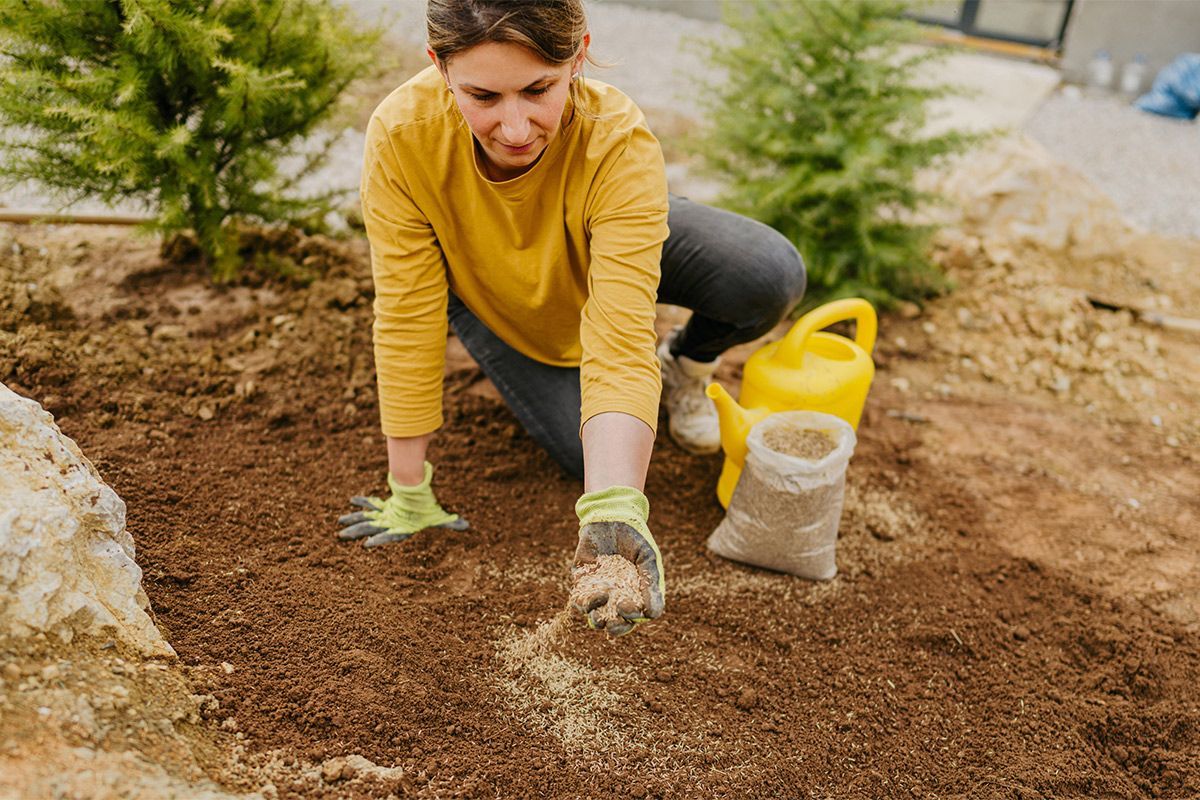
- Spread a 2- to 4-inch layer of compost or organic matter over the surface of your soil.
- Use a garden fork or rake to gently mix it in.
- Let the soil rest under the organic layer for the winter—come spring, you’ll have rich, nutrient-dense soil ready to support your garden.
- Apply a thick layer of mulch (3-4 inches) to your garden beds.
- Use organic mulches like wood chips, straw, or leaves. These will break down over time and further enrich your soil.
- Make sure to keep the mulch a few inches away from the stems and crowns of plants to prevent rot.
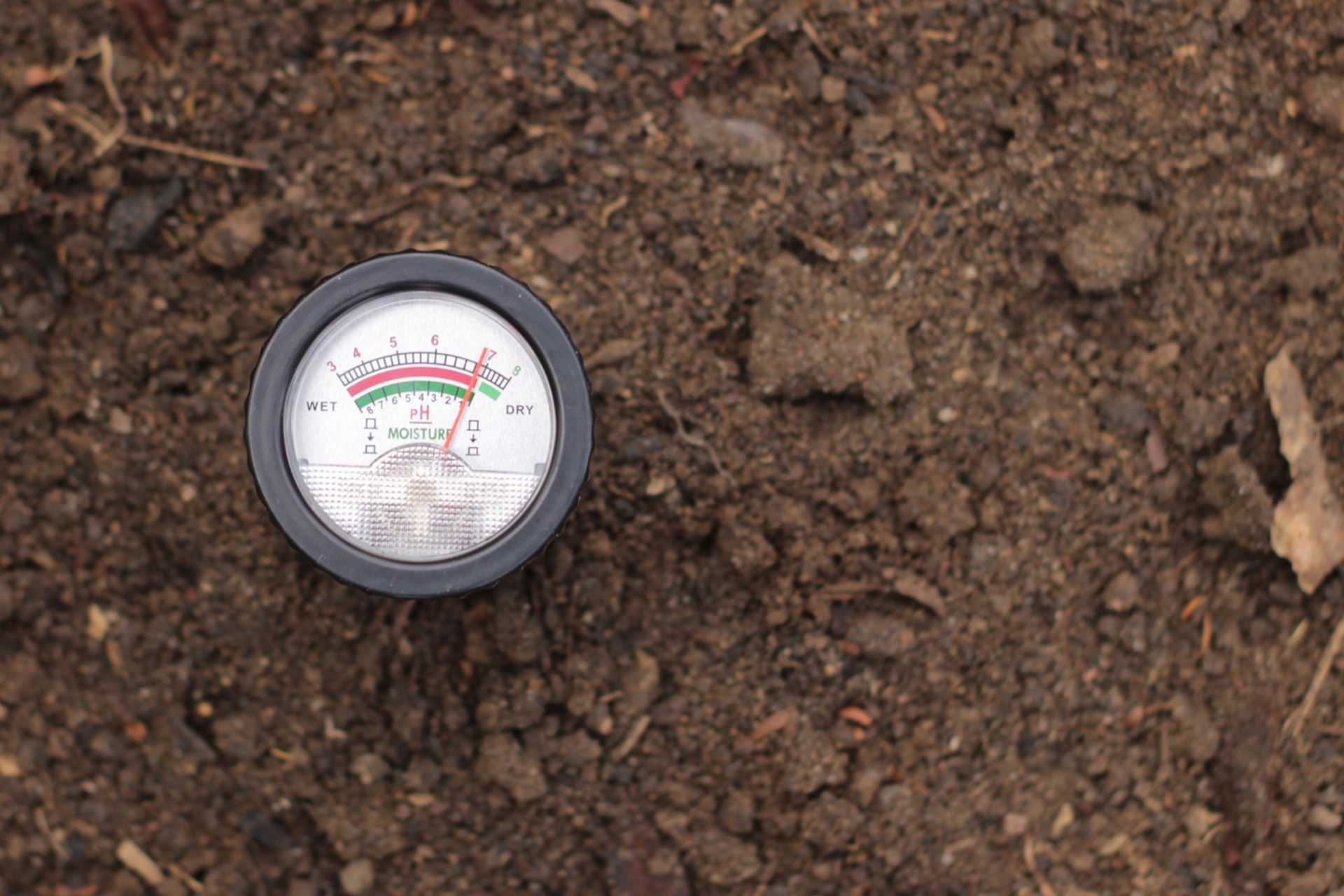
- Purchase a soil testing kit or send a sample to your local extension office for analysis.
- Based on the results, amend your soil with lime (for acidic soil) or sulfur (for alkaline soil) as needed.
- Add the necessary amendments and let them work into the soil during the winter months.
- Choose cover crops suited for your garden’s climate and soil.
- Plant them in fall, letting them grow through the winter months.
- In spring, mow or chop them down, then till them into the soil for an added boost of nutrients.
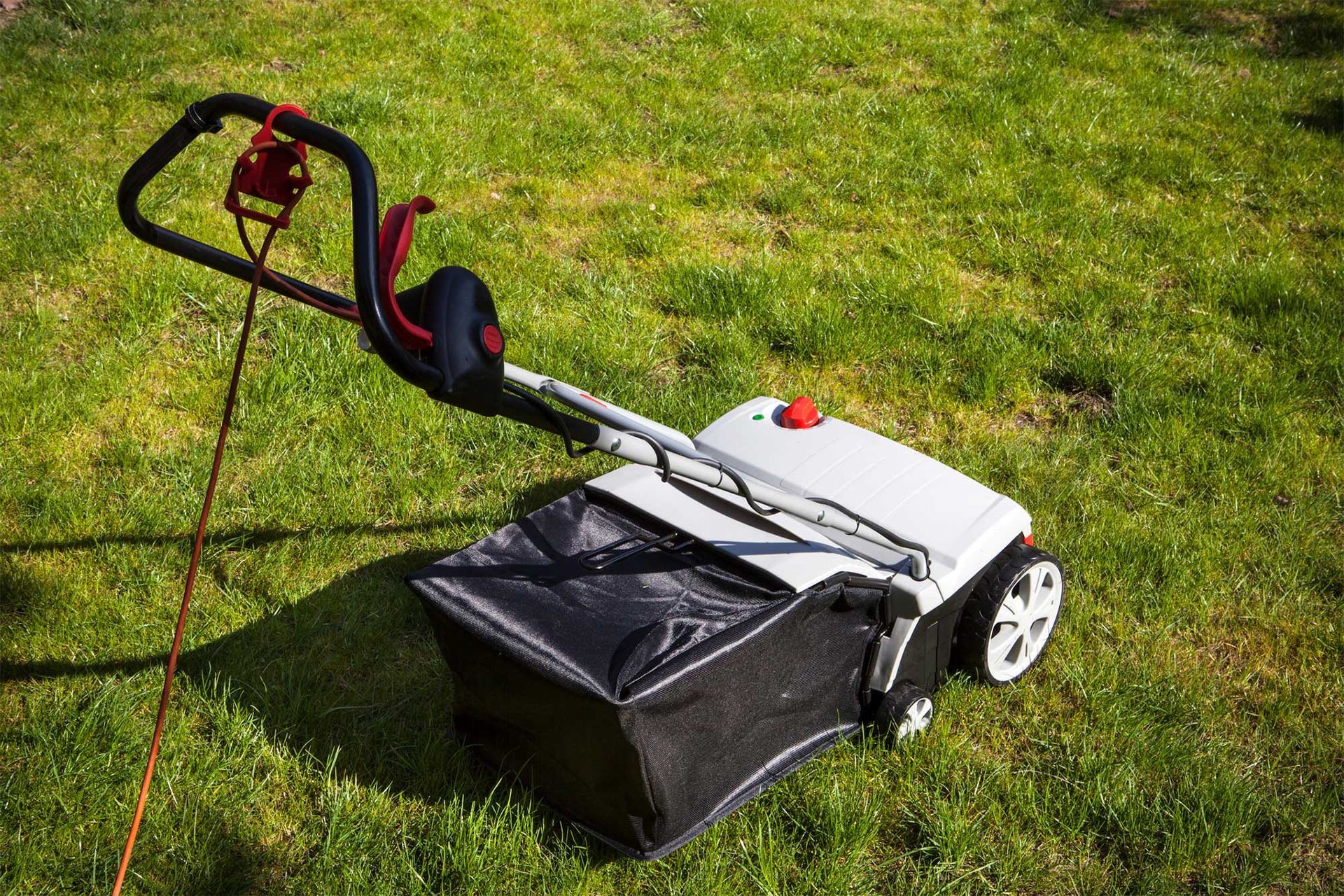
- Use a garden fork or an aerator tool to poke holes into your soil.
- Space the holes about 4 inches apart and go several inches deep.
- Aerating in the fall helps break up compacted soil and allows organic matter to decompose properly over the winter.
- Apply a light layer of mulch to your garden beds to suppress weed growth.
- Use a hoe or garden fork to pull any visible weeds before they have a chance to establish deep roots.
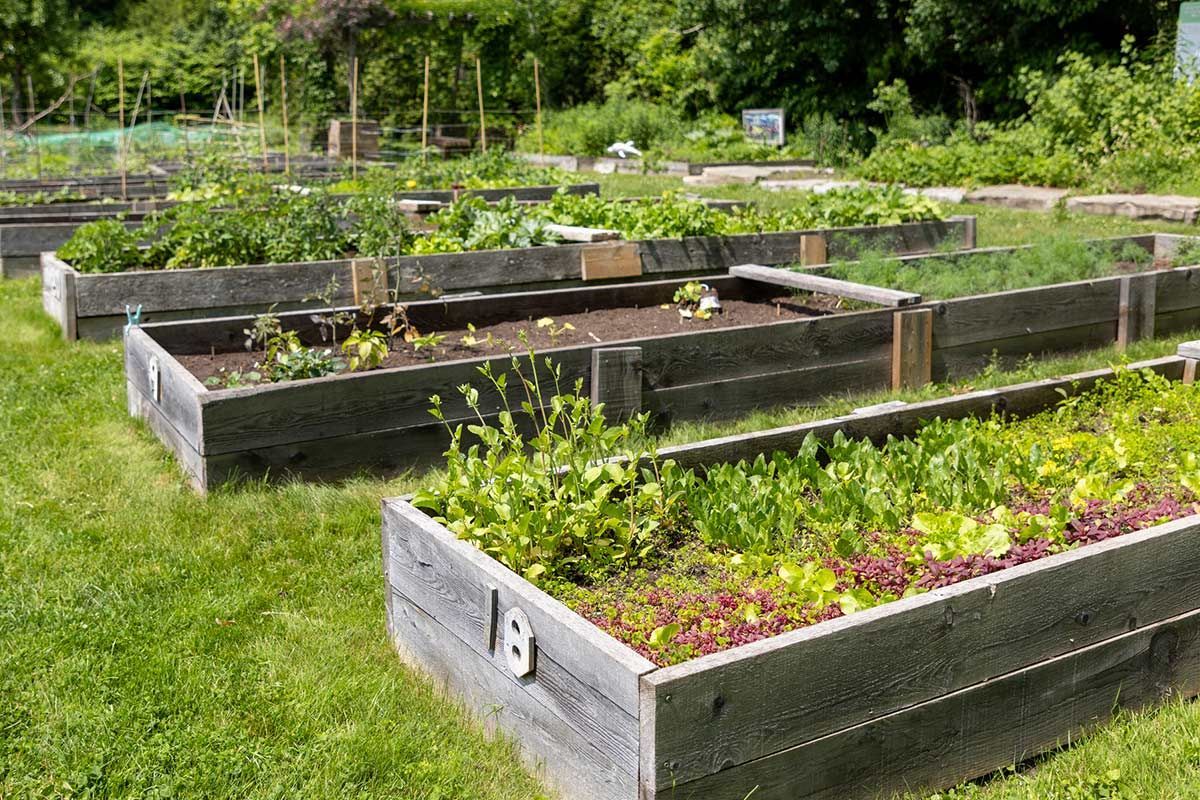
- Consider building raised beds with sturdy materials like wood, brick, or stone.
- Fill your beds with nutrient-rich soil and organic matter.
- Raised beds also offer improved drainage and fewer soil compaction issues, making them an ideal choice for long-term gardening success.
Winterizing Your Garden: A Year-Round Commitment
Winterizing your garden is all about giving your soil the best possible conditions to ensure success in the coming year. By taking these steps to nourish and protect your soil, you’re building a foundation for a healthier, more productive garden.
At Green Grounds Solutions, we’re here to help you every step of the way. Whether you need help preparing your garden for winter, creating raised beds, or improving your soil with organic amendments, our team has the knowledge and expertise to make your garden thrive.
Ready to give your garden a head start for next year? Contact us today to schedule a consultation and learn how we can help you prepare your soil for a healthier, happier garden come spring!