How Artificial Turf Can Keep Your Yard Green Through Winter

November 25, 2025

As the days shorten and temperatures drop, many homeowners in Chattanooga face the inevitable: a brown, dormant lawn. Traditional grass lawns struggle to maintain their vibrant green color throughout the winter months due to frost, freezing temperatures, and the lack of sunlight. But there’s a solution that can keep your yard looking lush and vibrant all year long—artificial turf.

If you're tired of the hassle of winter lawn care or simply want to enjoy a beautiful, green yard throughout the colder months, artificial turf is the perfect option. In this blog, we'll explore how artificial turf can keep your yard green through winter, the benefits it offers, and why it's the right choice for your property.

Why Artificial Turf Stays Green in Winter

Artificial turf is designed to look and feel like natural grass, but it doesn’t have the same seasonal limitations. While real grass goes dormant during the winter and turns brown, artificial turf remains consistently green, no matter what the weather is like. Here’s why:

1. No Need for Sunlight or Warmth
Unlike natural grass, which requires sunlight and warmth to stay green, artificial turf doesn’t rely on the same environmental factors. The synthetic fibers used in turf maintain their color and texture regardless of weather conditions, so your yard will look just as green in December as it does in June.

2. Weatherproof and Durable
Artificial turf is designed to withstand all types of weather conditions. Whether it's freezing temperatures, snow, or heavy rain, turf won’t deteriorate or discolor. The fibers used in high-quality turf are UV-resistant, meaning they won't fade in the sun, and they’re also resistant to mold, mildew, and other moisture-related issues.

3. No Dormancy Period
Natural grass goes dormant in the winter, meaning it stops growing and can turn brown and patchy. With artificial turf, there’s no dormancy. Your yard stays looking fresh and full throughout the cold months, giving you a beautiful outdoor space all year round.

Benefits of Artificial Turf in Winter

Beyond keeping your yard green, artificial turf offers several benefits that make it an ideal choice for winter months:

1. Low Maintenance

During the winter, maintaining a natural grass lawn can be time-consuming and challenging. Snow, mud, and frost can make it difficult to keep up with mowing, watering, and fertilizing. With artificial turf, there's little to no maintenance required. You won’t need to worry about clearing snow or repairing frost damage—just enjoy the beauty of your lawn without the hassle.

2. No Muddy Patches

Winter weather can turn natural grass lawns into muddy, slippery messes. As the snow melts or rain falls, your lawn may become soggy and create muddy patches that are both unsightly and difficult to clean. Artificial turf, on the other hand, offers excellent drainage and stays dry and clean, even after a storm. You can walk across your yard without tracking mud into your home.

3. Pet-Friendly

If you have pets, winter can bring additional challenges. Muddy paws, snow tracked inside, and frozen grass can be frustrating to deal with. Artificial turf is a pet-friendly solution that stays clean, dry, and usable year-round. It’s also easy to clean after your pets, ensuring that your outdoor space stays fresh.

4. Environmental Benefits

Artificial turf is an environmentally friendly option, especially when compared to the water-intensive upkeep of natural grass. In the winter, you won’t need to worry about watering your lawn or using harmful fertilizers or pesticides. It’s also a sustainable solution for homeowners looking to reduce their environmental footprint.


Maintaining Artificial Turf in the Winter

While artificial turf requires little maintenance in winter, a few simple steps can help keep it looking its best throughout the colder months:

1. Keep It Clean

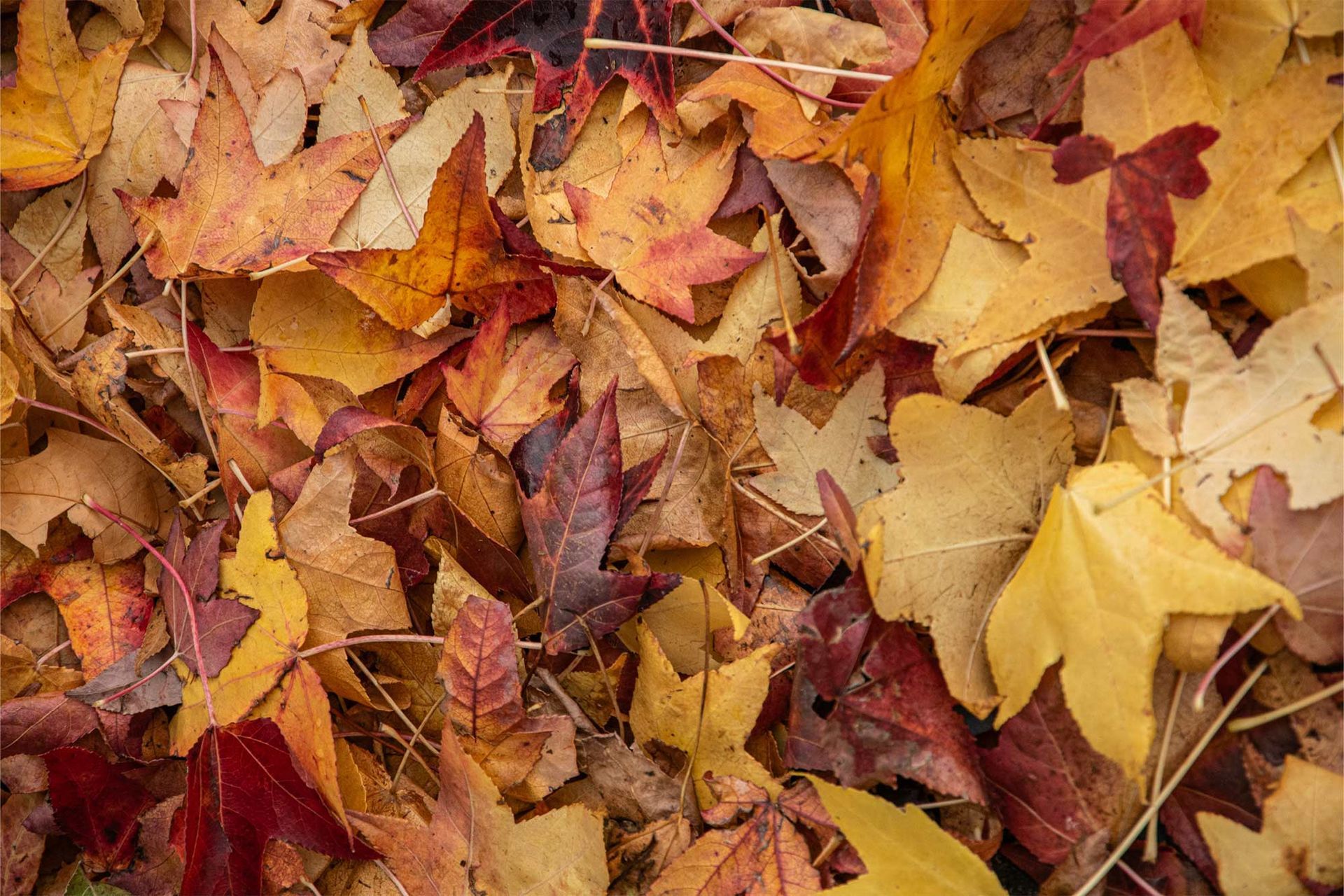
During the winter, debris such as leaves, twigs, or branches can accumulate on your turf. You can use a leaf blower or a broom to sweep it off. This will prevent any build-up from causing drainage issues or affecting the appearance of your turf.

2. Remove Snow and Ice Carefully

If it snows in your area, it’s a good idea to remove the snow as soon as possible to keep your turf looking neat. Use a plastic shovel to gently lift the snow off the surface. Avoid using salt or ice melt products that could damage the turf fibers or harm the environment.

3. Check for Drainage

Ensure that your turf’s drainage system is clear and functioning properly. While artificial turf is designed with built-in drainage, occasional blockages can occur. If you notice any pooling of water, clear the area to keep your turf performing at its best.

Why Choose Us for Your Artificial Turf Installation

At Green Grounds Solutions, we specialize in installing high-quality artificial turf that looks and feels like the real thing. Our expert team can help you select the perfect turf for your property, whether you’re installing it for your front yard, backyard, or even a pet area.


We take pride in our meticulous installation process, which ensures that your turf will perform optimally throughout the seasons. From preparing the site to laying the turf and ensuring proper drainage, we handle every aspect of the installation to provide you with a beautiful, low-maintenance yard that stays green through winter and beyond.


If you're ready to enjoy a lush, green lawn all year long, artificial turf is the way to go. Contact us today to schedule a consultation, and let us help you transform your yard into a low-maintenance, winter-friendly outdoor oasis!
By Digital+Smart Marketing December 1, 2025
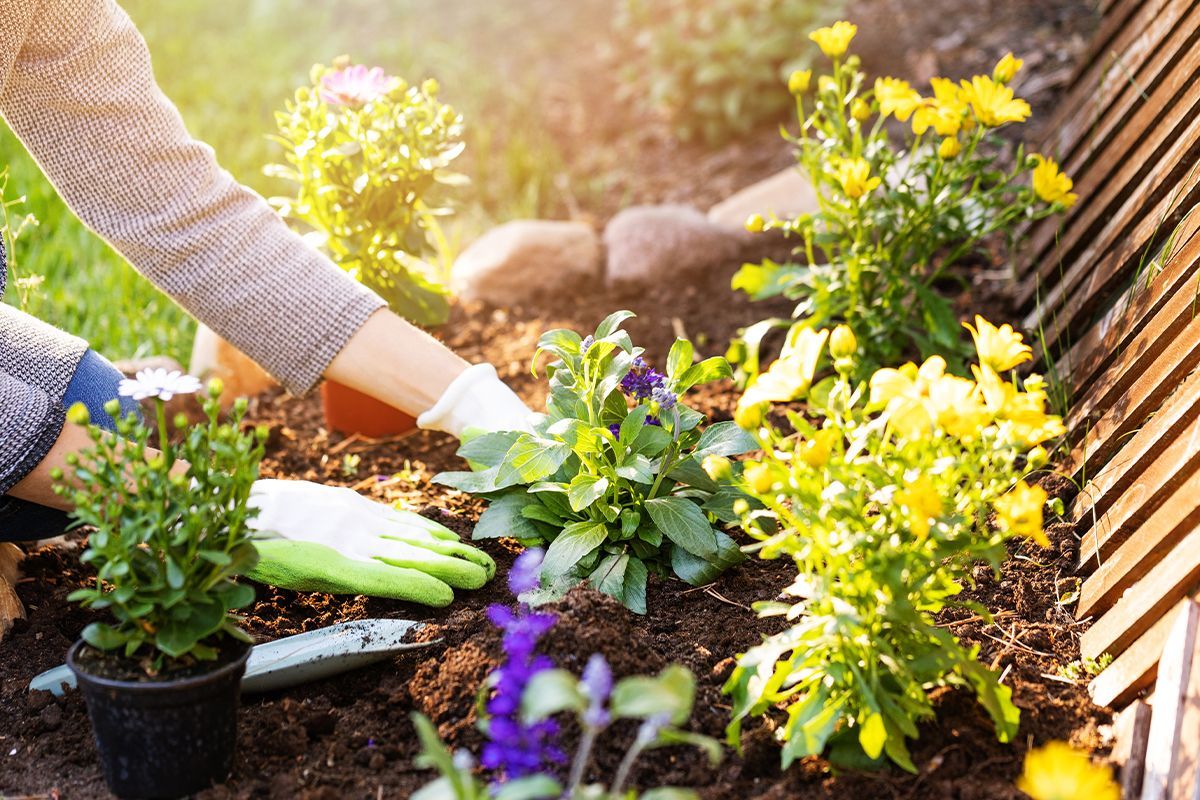
As the chill of winter settles in and your garden starts to wind down, now is the perfect time to think ahead to next year’s growing season. While most gardeners are wrapping up their outdoor chores, one essential task shouldn’t be overlooked: preparing your soil for the months ahead. Winterizing your garden’s soil is one of the best ways to ensure your plants have the nutrients and structure they need to thrive come spring.  Think of soil as the foundation of a house—it’s the base that supports everything you grow, and ensuring it’s in top shape will make your garden healthier, more productive, and ready for an amazing growing season. In this blog, we’ll dive into some fun and easy soil preparation tips that will give your garden a jumpstart and ensure it’s primed for success when the warmer weather returns.
By Digital+Smart Marketing October 20, 2025
As the crisp air of fall rolls in, it’s the perfect time to turn your attention to tree planting. While spring is often touted as the ideal time to plant trees, fall offers several advantages that make it a prime season for tree installation in Chattanooga. With cooler temperatures and more consistent rainfall, fall provides the ideal environment for your new trees to establish strong roots before the winter chill arrives.  In this guide, we’ll explore why fall is the best time to plant trees in Chattanooga, along with expert tips on how to make your tree installation a success.
By Digital+Smart Marketing October 13, 2025
As the chill of fall begins to set in and winter approaches, your outdoor living spaces might be at risk of damage from cold temperatures, moisture, and harsh weather conditions. While many homeowners focus on preparing their lawn and garden beds for winter, outdoor furniture and hardscaping often get overlooked. Protecting these areas is essential to preserving the beauty, functionality, and longevity of your outdoor spaces.  Whether you’ve invested in a beautiful new patio, fire pit, or seating area, or you’re looking for ways to safeguard your hardscaping elements from the elements, we’re here to help. In this blog, we’ll discuss how to protect your outdoor furniture and hardscaping features for the winter, along with how our expert hardscaping services—such as pouring concrete, paver installation, and gravel/pea pebble installations—can prepare and protect your outdoor space throughout the colder months.
By Digital+Smart Marketing September 25, 2025
Keep your lawn healthy year-round with raking, leaf removal, and sustainable yard care from Chattanooga experts.
By Digital+Smart Marketing September 10, 2025
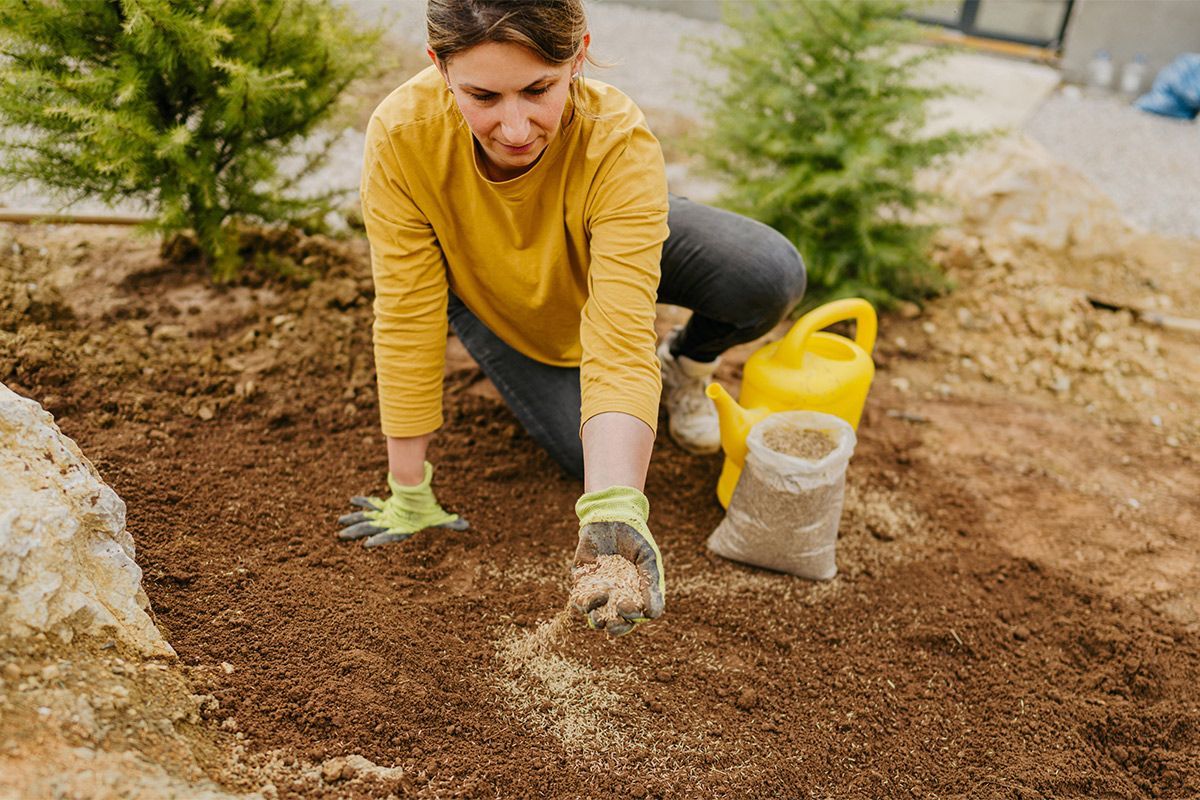
As the sweltering heat of summer fades and cooler, crisp days arrive, it’s the perfect time to think about your lawn’s health and beauty. Fall is one of the best seasons for planting new grass or rejuvenating an existing lawn. With the right timing and technique, you can ensure a lush, vibrant green lawn that will thrive through the cooler months and set the stage for a stunning yard in the spring. Here’s your ultimate guide to fall grass seeding, filled with expert tips to help you achieve the lawn of your dreams. Why Fall is the Best Time for Grass Seeding Many homeowners overlook the fall as an ideal time to plant grass, but this season offers a variety of benefits that make it the perfect window for seeding: Cooler temperatures: The cooler air and soil temperatures create an ideal environment for grass seed germination. Grass grows best in temperatures between 50-65°F, which is common during the fall months. Less competition from weeds: Weeds tend to slow down during fall, giving your grass seeds a better chance to establish roots before the winter months. Moisture: Fall often brings more consistent rainfall, helping the seeds settle into the soil and providing them with the moisture they need for germination. Strong root development: Grass seeds planted in the fall have the chance to grow strong roots before the winter freeze. This root development ensures that the grass will be healthier and more resilient when spring arrives. Step-by-Step Guide to Fall Grass Seeding Achieving a lush, green lawn through fall seeding requires careful preparation and attention to detail. Follow these steps to ensure your grass has the best chance for success: Choose the Right Grass Seed for Your Region Selecting the right grass seed is critical for achieving a healthy, lush lawn. For fall seeding, certain grass varieties are better suited to cooler temperatures and the growing conditions of fall. Here are some top choices for your lawn: Fescue: Fescue is a cool-season grass that thrives in cooler temperatures and is well-suited for the fall. It’s known for its shade tolerance and ability to create a lush, green lawn. It's an excellent choice for lawns that receive partial shade or areas with more foot traffic. Bermuda: While Bermuda is typically a warm-season grass, it can still be seeded in the fall in regions where the winter is mild. Bermuda grass is heat-tolerant and drought-resistant, and it can develop strong roots in fall, preparing it to grow vigorously in the spring. Clover/Fescue Mix: For a low-maintenance, eco-friendly lawn, consider a mix of fescue and clover. Clover is drought-resistant and provides excellent ground cover, while fescue offers the lush, green look typical of a traditional lawn. The combination creates a hardy lawn that’s resilient and requires less water and fertilizer. SlopeMaster: For areas with slopes, consider using SlopeMaster seed. This blend is specifically formulated for erosion control and fast establishment on sloped surfaces. It's an excellent choice for preventing soil erosion while providing a green, attractive cover on hilly landscapes. Choosing the right grass mix for your needs and lawn conditions will ensure a successful seeding and establish a lawn that thrives throughout the fall and spring.
By Digital+Smart Marketing September 10, 2025
As the warm days of summer begin to fade and the cooler breeze of fall rolls in, it’s time to prepare your garden for the winter months ahead. While many of us focus on getting our lawns and flower beds ready for the chill, trees and shrubs also require special attention to ensure they stay healthy and strong through the winter. Proper seasonal care for your trees and shrubs will not only help them survive the cold temperatures but also thrive in the coming spring. Here’s your essential guide to seasonal shrub and tree maintenance, to ensure a healthy winter transition for your landscape. Prune and Trim Dead or Damaged Growth Pruning is one of the most important tasks in preparing your shrubs and trees for winter. As the weather cools, your plants will go into dormancy, but any dead or diseased growth needs to be removed to promote healthy growth in the next season. Remove dead or diseased branches: Start by inspecting your trees and shrubs for any damaged or diseased branches. Removing these helps reduce the risk of pests and diseases over the winter months and encourages the plant to direct its energy toward healthy growth. Shape shrubs: Trimming shrubs to maintain their shape can help prevent wind damage and snow accumulation, both of which could harm the plant’s structure. Make sure to prune back leggy or overly bushy growth to maintain a strong, balanced shape. Avoid heavy pruning of flowering shrubs: For shrubs that bloom in early spring (such as Forsythia or Lilac), avoid heavy pruning during fall as you may remove the buds for next season. Instead, focus on removing dead or weak stems to prevent disease. Watering: Don't Let Them Dry Out Although fall brings cooler temperatures, trees and shrubs still need consistent watering to prepare for winter. Moisture in the soil helps the roots establish strong systems before they go dormant for the winter. Deep watering: Before the ground freezes, give your trees and shrubs a deep watering, especially if the fall season has been dry. Aim to water deeply once a week if rainfall is insufficient. Focus on the root zone, as this is where the plant will absorb moisture for the coming cold months. Mulch to retain moisture: Mulch is a great way to help the soil retain moisture and keep the roots insulated against the cold. Apply a 2-3 inch layer of mulch around the base of trees and shrubs. Be sure to keep mulch a few inches away from the trunks to prevent rot. Fertilizing for Winter Health While you don’t need to fertilize all trees and shrubs during the fall, some could benefit from a little extra nourishment before winter. Fall fertilization encourages strong root growth and helps your plants build up energy reserves for the coming spring. Use a slow-release fertilizer: Choose a slow-release, balanced fertilizer that’s high in potassium and phosphorus to encourage root development rather than promoting top growth. Apply the fertilizer according to the manufacturer's directions, and avoid fertilizing late in the season, as this could encourage new growth that may not have enough time to harden off before the cold weather sets in. Evergreens need extra care: Evergreen trees and shrubs, such as pines, firs, and spruces, continue to transpire moisture throughout the winter. They benefit from a light fall feeding to help them survive the dry winter months. Opt for a fertilizer formulated for evergreens for best results.
August 25, 2025
Artificial turf is a fantastic solution for homeowners looking to maintain a lush, green lawn year-round—especially during the hottest months of summer when natural grass struggles to stay vibrant. While artificial turf requires less maintenance than natural grass, it still needs attention to keep it looking its best throughout the season. Here are some essential maintenance tips for ensuring your artificial turf stays green and pristine, even in the heat of summer.
August 14, 2025
As the heat of summer begins to wane and cooler fall days approach, it’s time to start thinking about how to prepare your lawn and garden for the upcoming season. One of the best ways to ensure your landscape stays healthy and vibrant throughout the fall and winter months is by performing end-of-summer pruning and trimming. Here are some essential tips to help your plants, trees, and lawn thrive as we transition into the cooler months.
July 28, 2025
As summer rolls in, homeowners and business owners alike look for ways to boost their outdoor spaces—combining functionality with aesthetic charm. Whether you want to enjoy a peaceful backyard barbecue, define your property line, or enhance security, choosing the right fence can transform your outdoor area into the perfect summer sanctuary. At Green Grounds Solutions , we specialize in residential and commercial fencing of all styles, heights, and materials, ensuring you get the perfect fit for your property.
A person waters colorful flowers in a garden with a red watering can on a sunny day.
July 21, 2025
Chattanooga's summer heat can be intense, making it essential to choose the right plants for your garden that can thrive in the sun, heat, and humidity. Fortunately, there are a variety of heat-resistant plants that not only tolerate the high temperatures but also add beauty and texture to your landscape. Here are some excellent choices for Chattanooga’s hot summer days: