Lawn Disease Prevention During Tennessee’s Humid Summers
Tennessee summers bring plenty of sunshine, but they also come with intense heat and humidity – two conditions that can quickly create problems for your lawn. In Chattanooga, warm temperatures combined with heavy moisture create the perfect environment for fungus, mold, and other turf diseases. Without proper care, even a healthy lawn can develop discoloration, dead patches, or thinning grass. Understanding lawn disease in Tennessee and how to prevent it can make the difference between a thriving yard and one that struggles all season long.
Why Humidity Creates Lawn Problems
Humidity keeps moisture trapped in the air and on the grass blades, often long after rain or morning dew. While grass needs water to grow, too much moisture sitting on the surface creates ideal conditions for fungi to spread. This is one of the most common causes of fungal lawn problems in Chattanooga, especially during the peak summer months.
Diseases like brown patch, dollar spot, and pythium blight thrive in these conditions. Tall fescue, one of the most common grasses in Tennessee, is particularly vulnerable to fungal infections when temperatures remain high overnight. Proper lawn maintenance and early prevention are key to minimizing overall damage.
Healthy grass starts with strong roots and consistent care. Investing in professional
grass seeding services can strengthen weak or thinning areas before summer stress takes hold.
Brown Patch: A Common Summer Threat
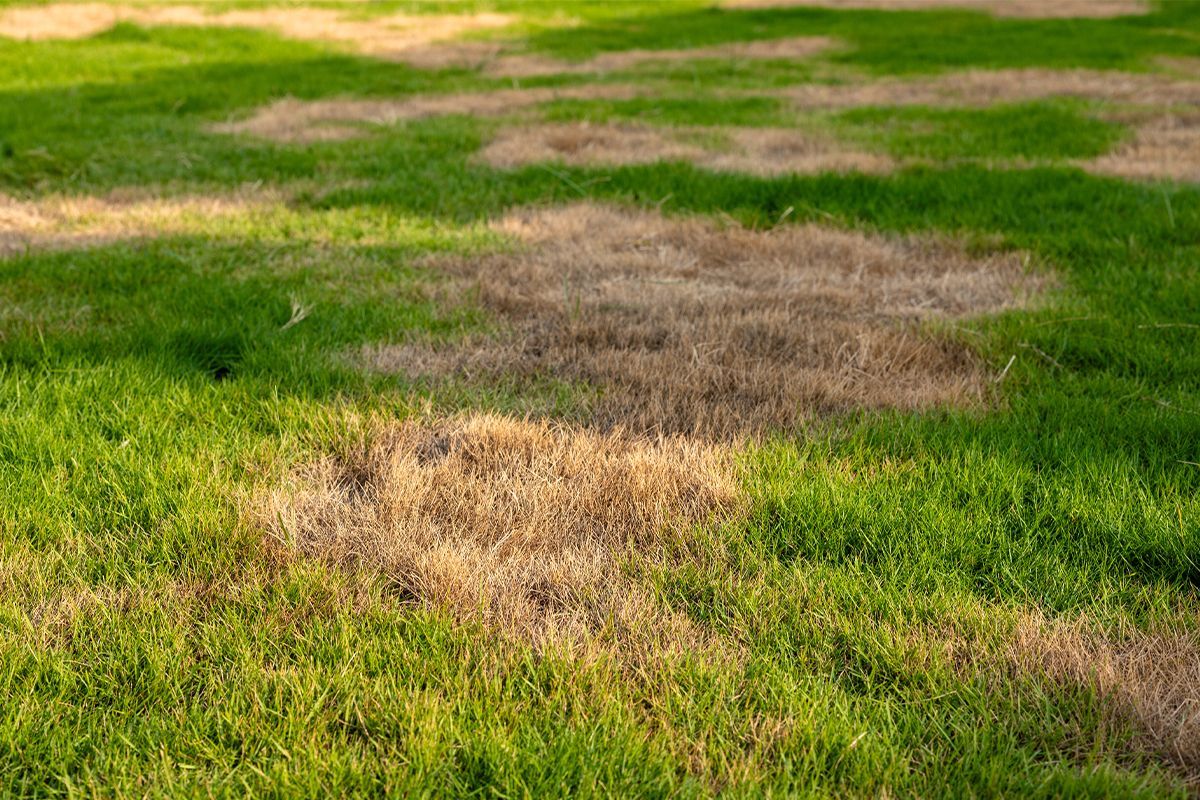
One of the most common lawn diseases in Chattanooga is brown patch. This fungal disease creates circular brown spots that can spread quickly, leaving large areas of turf damaged. High humidity and overwatering often make the problem worse.
Brown patch prevention starts with proper watering habits. Watering deeply but less often encourages roots to grow deeper while reducing prolonged surface moisture. Early morning watering is ideal because it gives the grass time to dry throughout the day.
Mowing also plays an important role. Cutting grass too short weakens the plant and makes it more susceptible to disease.
Improve Airflow Around Your Lawn
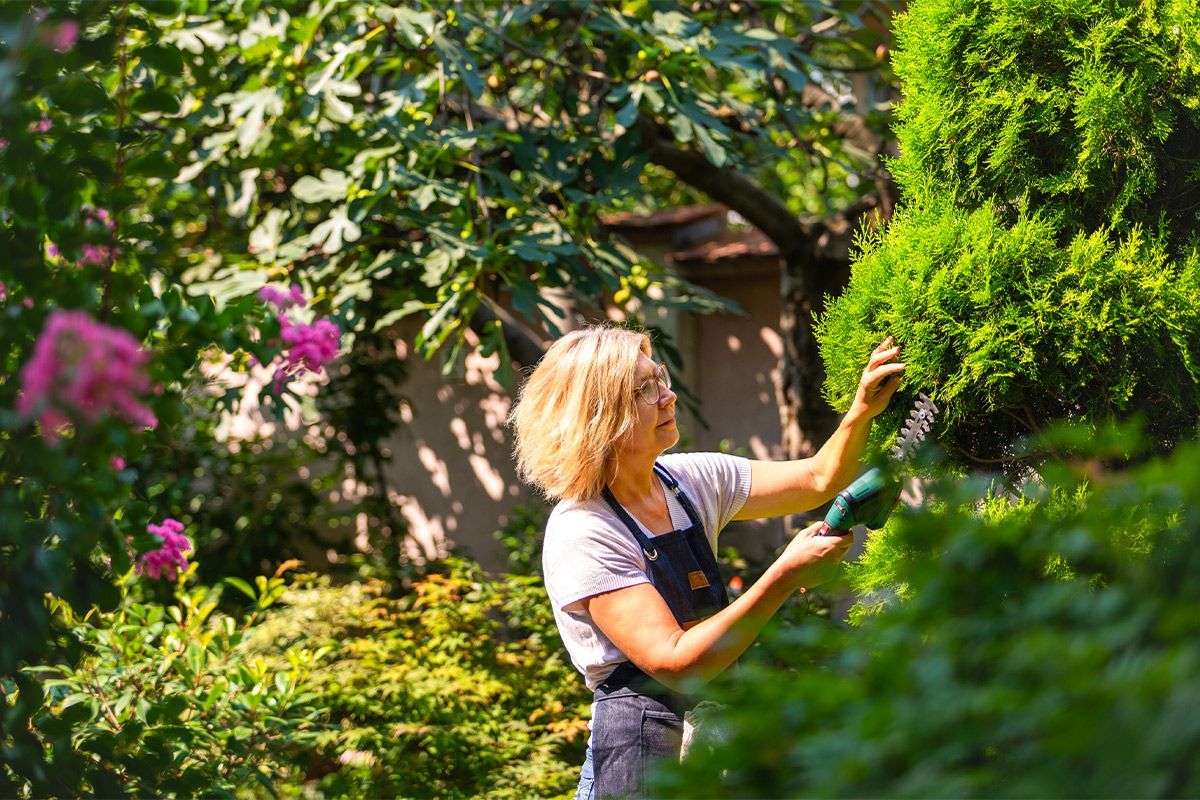
Poor airflow is one of the biggest contributors to fungal lawn disease. Overgrown shrubs, dense landscaping, and compacted spaces can trap moisture and limit sunlight, creating damp areas where fungus thrives. Regular
pruning and trimming services can help maintain the overall health and appearance of your landscape while supporting balanced growth.
Keeping trees and shrubs properly maintained allows better air circulation and helps grass dry faster after rain or watering. Strategic landscape design also reduces overcrowding and improves overall plant health.
For homeowners looking to refresh their landscape while improving function,
hardscaping services can create pathways, borders, and drainage features that help reduce moisture buildup in problem areas.

Soil Health Matters More Than You Think
Healthy soil is one of the strongest defenses against lawn disease. Chattanooga’s clay-heavy soil can hold water for long periods, making fungal outbreaks more likely if drainage is poor. Improving soil with organic matter like compost helps loosen compacted clay and supports stronger root systems.
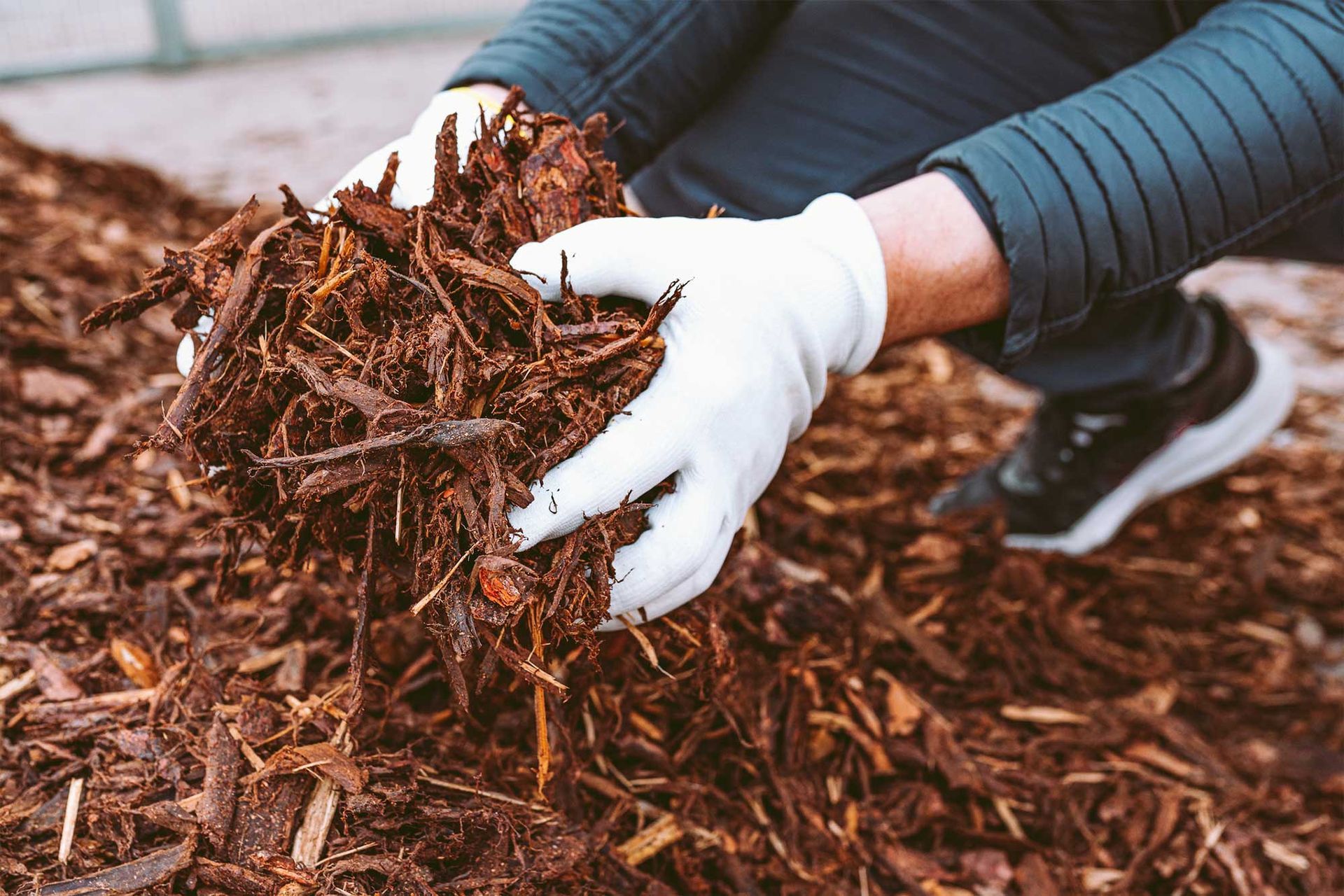
Applying mulch around flower beds and trees also improves moisture balance and prevents runoff from collecting in lawn areas. Sustainable practices like composting grass clippings and leaves can naturally enrich the soil over time.
Recognizing Early Signs of Lawn Disease
Early detection can prevent widespread damage. Homeowners should watch for signs like:
- Circular brown or yellow patches
- Slimy or discolored grass blades
- Thinning turf in shaded or damp areas
- White or gray fungal growth in the early morning
- Grass that appears wilted despite adequate watering
Catching these signs early allows for faster treatment and can prevent the disease from spreading. Routine lawn inspections and
seasonal care make it easier to spot issues before they become severe.

Sustainable Lawn Care for Tennessee Summers
Preventing lawn disease doesn’t have to mean relying on harsh chemicals. Sustainable lawn care practices can strengthen your turf naturally while protecting Chattanooga’s local environment.
Choosing regionally adapted grasses like tall fescue and Bermuda grass helps improve resilience against heat and humidity. Native landscaping features can also reduce lawn size, lowering maintenance needs and water use. Native plants like black-eyed Susans, wild indigo, and Tennessee coneflowers add beauty while supporting pollinators and local biodiversity.
Protect Your Lawn Before Problems Start
Summer lawn disease can spread quickly, but preventative care makes all the difference. By improving drainage, mowing correctly, watering wisely, and keeping landscaping well-maintained, homeowners can significantly reduce the risk of lawn disease in Tennessee.
At Green Grounds Solutions, we help Chattanooga homeowners protect their lawns with expert care that is tailored to the region’s climate. From grass seeding and mulching to pruning and drainage improvements, our team provides practical, sustainable solutions designed for long-term lawn health.
If you’re noticing signs of fungal lawn problems in Chattanooga or want to strengthen your lawn before summer stress peaks,
contact our team today. A healthy lawn starts with proactive care – and we’re here to help keep yours green all season long.