Fall Grass Seeding 101: How to Achieve a Lush, Green Lawn
As the sweltering heat of summer fades and cooler, crisp days arrive, it’s the perfect time to think about your lawn’s health and beauty. Fall is one of the best seasons for planting new grass or rejuvenating an existing lawn. With the right timing and technique, you can ensure a lush, vibrant green lawn that will thrive through the cooler months and set the stage for a stunning yard in the spring. Here’s your ultimate guide to fall grass seeding, filled with expert tips to help you achieve the lawn of your dreams.
Why Fall is the Best Time for Grass Seeding
Many homeowners overlook the fall as an ideal time to plant grass, but this season offers a variety of benefits that make it the perfect window for seeding:
- Cooler temperatures: The cooler air and soil temperatures create an ideal environment for grass seed germination. Grass grows best in temperatures between 50-65°F, which is common during the fall months.
- Less competition from weeds: Weeds tend to slow down during fall, giving your grass seeds a better chance to establish roots before the winter months.
- Moisture: Fall often brings more consistent rainfall, helping the seeds settle into the soil and providing them with the moisture they need for germination.
- Strong root development: Grass seeds planted in the fall have the chance to grow strong roots before the winter freeze. This root development ensures that the grass will be healthier and more resilient when spring arrives.
Step-by-Step Guide to Fall Grass Seeding
Achieving a lush, green lawn through fall seeding requires careful preparation and attention to detail. Follow these steps to ensure your grass has the best chance for success:
Choose the Right Grass Seed for Your Region
Selecting the right grass seed is critical for achieving a healthy, lush lawn. For fall seeding, certain grass varieties are better suited to cooler temperatures and the growing conditions of fall.
Here are some top choices for your lawn:
- Fescue: Fescue is a cool-season grass that thrives in cooler temperatures and is well-suited for the fall. It’s known for its shade tolerance and ability to create a lush, green lawn. It's an excellent choice for lawns that receive partial shade or areas with more foot traffic.
- Bermuda: While Bermuda is typically a warm-season grass, it can still be seeded in the fall in regions where the winter is mild. Bermuda grass is heat-tolerant and drought-resistant, and it can develop strong roots in fall, preparing it to grow vigorously in the spring.
- Clover/Fescue Mix: For a low-maintenance, eco-friendly lawn, consider a mix of fescue and clover. Clover is drought-resistant and provides excellent ground cover, while fescue offers the lush, green look typical of a traditional lawn. The combination creates a hardy lawn that’s resilient and requires less water and fertilizer.
- SlopeMaster: For areas with slopes, consider using SlopeMaster seed. This blend is specifically formulated for erosion control and fast establishment on sloped surfaces. It's an excellent choice for preventing soil erosion while providing a green, attractive cover on hilly landscapes.
Choosing the right grass mix for your needs and lawn conditions will ensure a successful seeding and establish a lawn that thrives throughout the fall and spring.

Prepare Your Lawn: Clean, Edge, and Aerate
Proper preparation of your lawn sets the foundation for successful seeding. Here’s how to get your lawn ready:
- Remove debris and weeds: Begin by clearing any leaves, sticks, and old grass clippings from your lawn. Weeds should also be removed to prevent competition for resources.
- Edge your lawn: Define the borders of your lawn by edging along flower beds, sidewalks, and driveways. This will give your lawn a clean, crisp look and prevent grass from encroaching into unwanted areas.
- Aerate your lawn: Aeration is crucial for fall seeding. It involves perforating the soil with small holes to allow water, nutrients, and air to reach the grass roots more effectively. Aerating helps alleviate compaction, which is common in lawns that receive a lot of foot traffic or have heavy clay soils.
Tip: If you have a compacted lawn or poor soil, aerate before seeding. You can rent an aerator from a local hardware store or hire a professional to get the job done.
Fertilize Your Lawn Before Seeding
Fertilizing before you seed helps create an ideal growing environment for your new grass. A balanced fertilizer with both fast- and slow-release nutrients will encourage healthy root growth and strong grass development.
- Use a starter fertilizer: Starter fertilizers are specifically designed for new grass. They contain higher levels of phosphorus, which helps the roots grow strong and establish quickly.
Tip: Always follow the recommended application rate on the fertilizer packaging. Over-fertilizing can burn the seeds or harm the environment.
Spread the Grass Seed Evenly
Once the lawn is prepared and fertilized, it’s time to spread the grass seed. There are a few ways to do this effectively:
- Broadcast spreader: For even coverage, use a broadcast spreader to distribute the seed. Set the spreader to the appropriate seed rate for your chosen grass type. Over-seeding can lead to overcrowding, while under-seeding may leave bare patches.
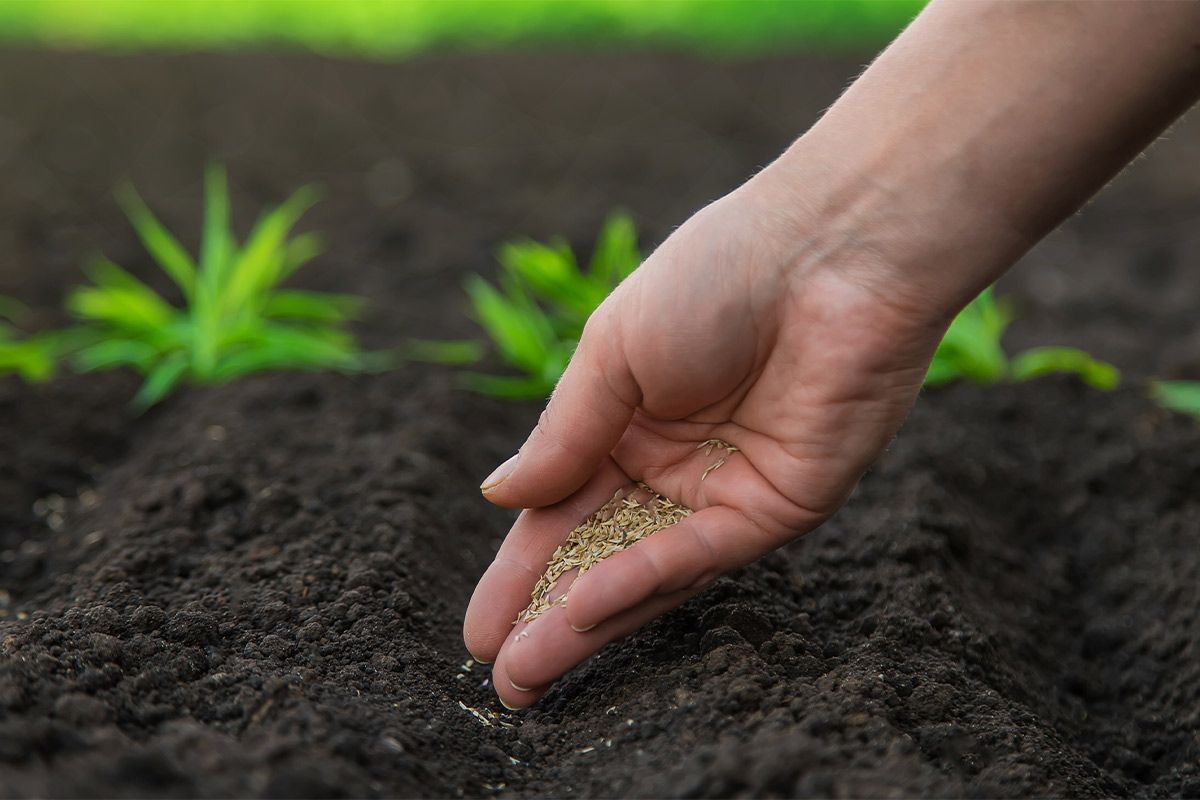
- Hand-spreading: If you have a smaller area, you can also spread the seed by hand. Be sure to spread the seed evenly to avoid clumping or bare spots.
Tip: For best results, apply half of the seed in one direction and the other half in the opposite direction to ensure even coverage.
Water Your Lawn Consistently
Watering is key to successful seed germination. Newly planted grass requires consistent moisture, especially during the first few weeks. However, be careful not to over-water, as this can wash away the seed or create puddles.
- Water lightly and frequently: Water the lawn lightly for 15-20 minutes, 2-3 times a day, until the seeds germinate and begin to establish roots.
- Reduce watering after germination: Once the grass is established, you can reduce the frequency of watering to avoid over-saturating the soil.
Tip: The goal is to keep the soil consistently moist, but not soggy, until the grass becomes established.
Protect Your Lawn and Patience is Key
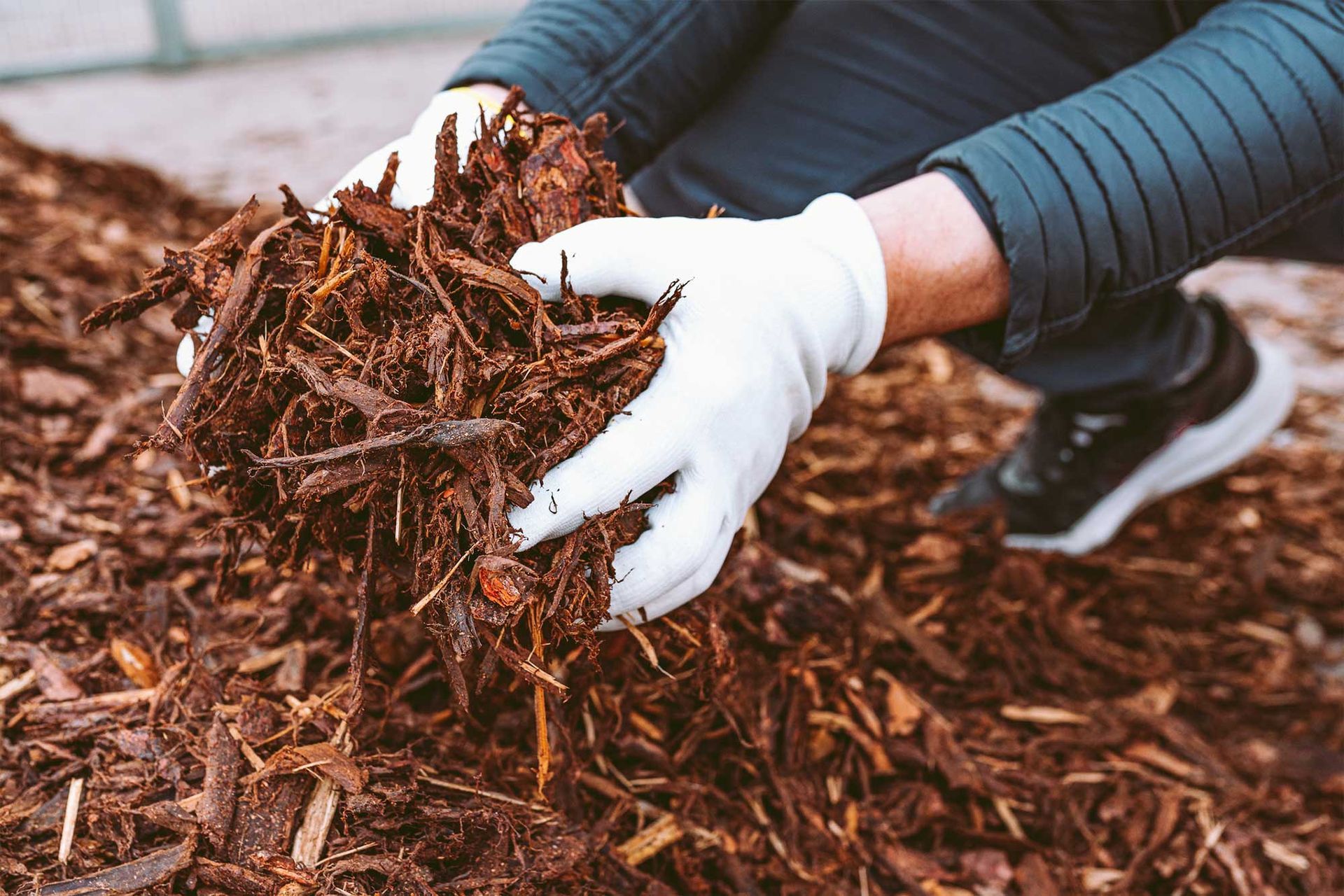
Newly seeded lawns need protection from harsh weather, foot traffic, and pets. Consider using a light layer of mulch or straw to help retain moisture and prevent the seeds from being washed away by rain.
- Avoid walking on your new lawn: Try to minimize foot traffic until the grass becomes established. This gives the seedlings the best chance to grow strong without being disturbed.
Tip: Grass typically takes 7-21 days to germinate, depending on the variety and weather conditions. Be patient and continue to care for your lawn as it establishes.
Maintain Your Lawn After Seeding
Once your grass begins to grow, regular care is necessary to ensure it continues to thrive through the fall and into the spring:
- Mow lightly: Once the grass reaches about 3-4 inches, mow it to a height of 2-3 inches. Don’t cut it too short, as longer grass helps retain moisture and promotes strong root growth.
- Keep fertilizing: After a few weeks, you can apply a light dose of fertilizer to encourage continued growth. A balanced, slow-release fertilizer is ideal for fall.
Conclusion
Fall grass seeding is one of the most effective ways to achieve a lush, green lawn that will impress throughout the year. By choosing the right grass variety, properly preparing your lawn, and following the steps for seeding, watering, and maintenance, you can enjoy a vibrant, healthy lawn that thrives even through the cold months.
Get started with your fall grass seeding today and give your lawn the head start it needs for a beautiful, resilient lawn come spring!
Need help with your fall seeding or lawn care? Contact us for expert advice and professional services to ensure your lawn looks its best!