Pruning, Planting, and Preparing for the Colder Months
October 1, 2024
Fall is just around the corner, bringing shorter days, longer nights, and cooler temperatures. As the seasons change, it’s important to prepare your plants, shrubs, and trees for the colder months ahead. At Green Grounds Solutions, we understand the importance of proper fall and winter care for your landscape. Our team of experienced professionals can handle all aspects of your landscaping needs during these colder months such as pruning, winterization, planting considerations, and more.
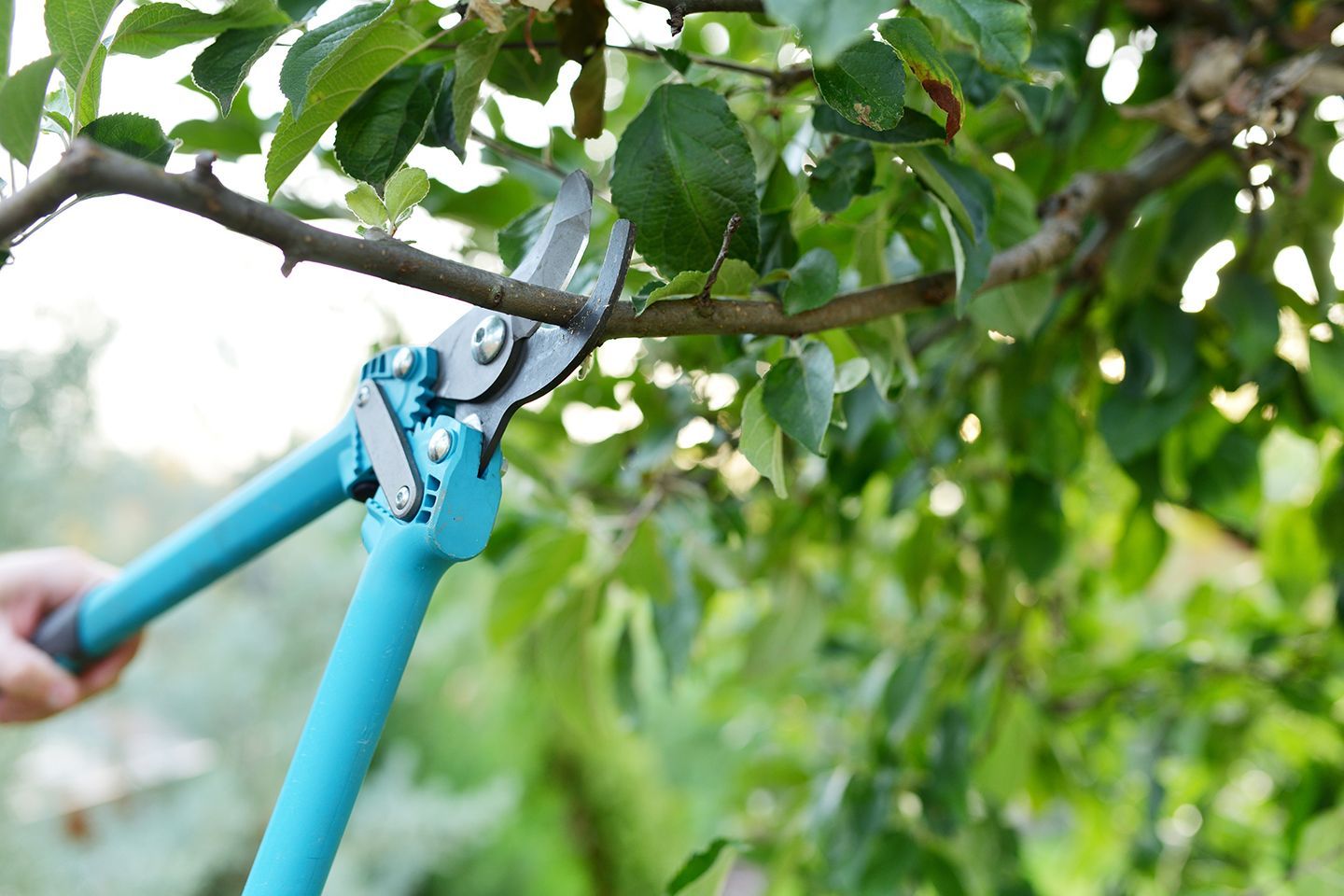
A person is cutting a tree branch with a pair of scissors

Pruning

Pruning is the practice of selectively removing branches, stems, or roots from a plant. By selectively removing branches, you can improve the overall structure, promote new growth, and prevent potential hazards such as dead limbs falling down. 


There are several kinds of pruning techniques that are frequently used such as deadheading, thinning, heading back, and training. Depending on what result you are looking for, different methods may be used. By shaping the plant to your preference, you can create a multitude of desired looks and achieve some beautiful, manicured results.The optimal time for pruning in the Chattanooga area is typically from late fall to early spring. This is the time when plants are more focused on conserving energy and are less likely to “bleed” sap.


Pruning also helps to remove dead, diseased, or damaged branches, which can harbor unwanted pests and diseases while also encouraging new growth that results in denser and more vibrant plants. Healthy plants that have been pruned are more resilient and better able to withstand harsh weather conditions.
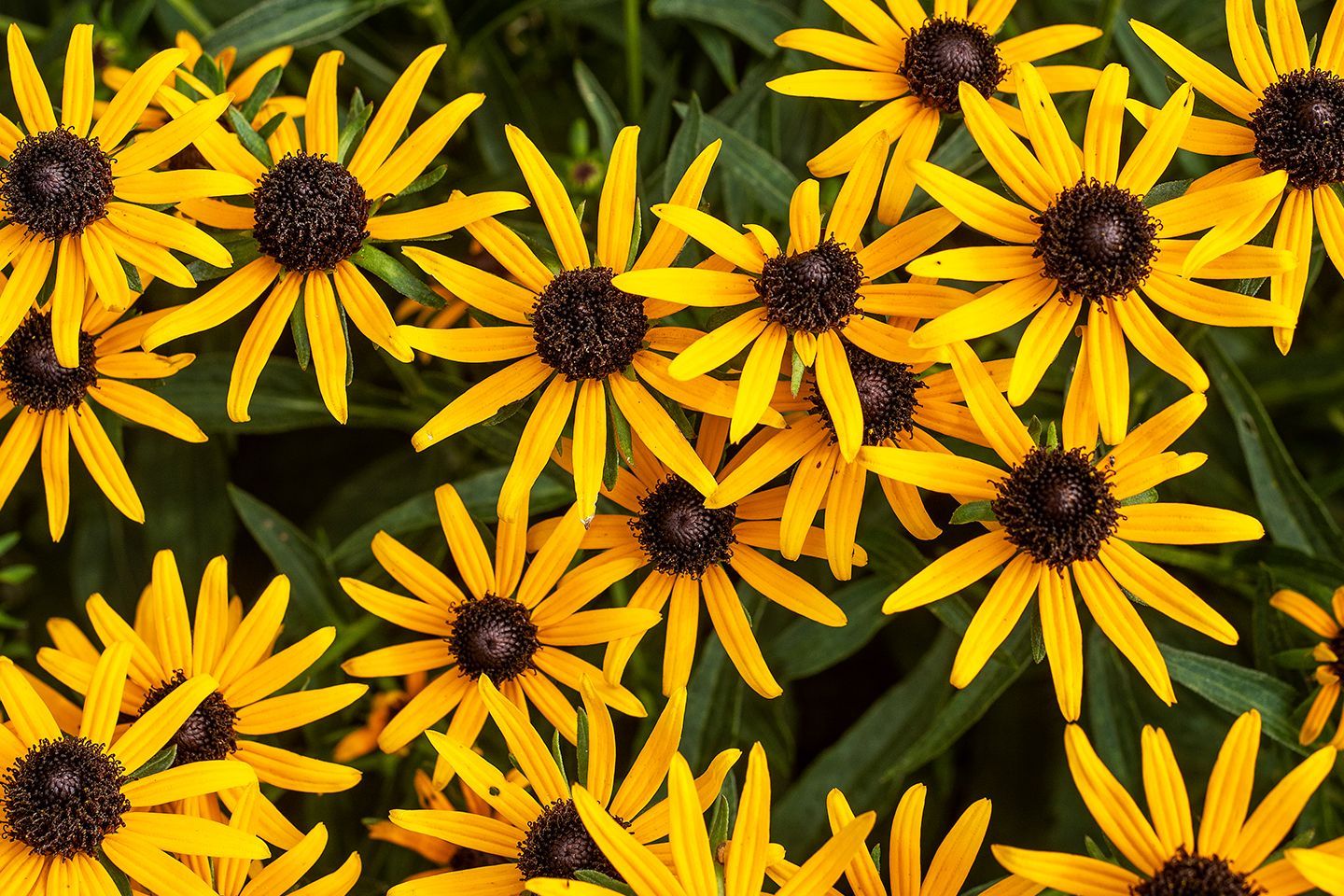
A bunch of yellow flowers with black centers

Planting

Planting in Chattanooga during cooler temperatures (along with the generous amount of rainfall we usually receive) provides optimal conditions for many kinds of new plants to establish themselves. By focusing on planting native species, you can contribute to the local ecosystem, attract beneficial pollinators, and enjoy a low-maintenance and sustainable landscape. 


In the fall, consider planting native perennials like black-eyed Susans, coneflowers, tickseed, and asters. These flowers are hardy and will return year after year, adding vibrant colors and texture to your landscape. Native shrubs such as serviceberry, sweetspire, and redbud offer year-round beauty with their blooms, foliage, and berries. In addition to being beautiful, they also provide great habitats for local wildlife. For trees, consider mixing oaks, maples, and dogwoods for plentiful shade and a diverse ecosystem. 


For winter, while many plants go dormant, there are several native flowers that offer blooms throughout the frigid months. Winterberry holly, witch hazel, and hellebores are all persistent plants that will bloom in a variety of different shapes and colors that are sure to compliment a winter landscape.


Additionally, give some thought to hedge planting with shrubs like laurels, as well as taller hedges featuring Emerald Greens or Green Giants. These hedges not only enhance your landscape but also offer significant benefits such as increased privacy, noise reduction, and the ability to block excess light. Incorporating these elements can create a more serene outdoor space while contributing to the overall aesthetic and ecological health of your property.


One of the best things you can do for our local ecosystem, regardless of the season, is to research and plant native species. These plants are adapted to our local conditions and support the native wildlife and pollinators. They generally also require less maintenance and are often more resistant to pests and diseases while offering a natural and timeless beauty that compliments the surrounding landscape. By choosing native species, you are contributing to a more sustainable and resilient ecosystem.
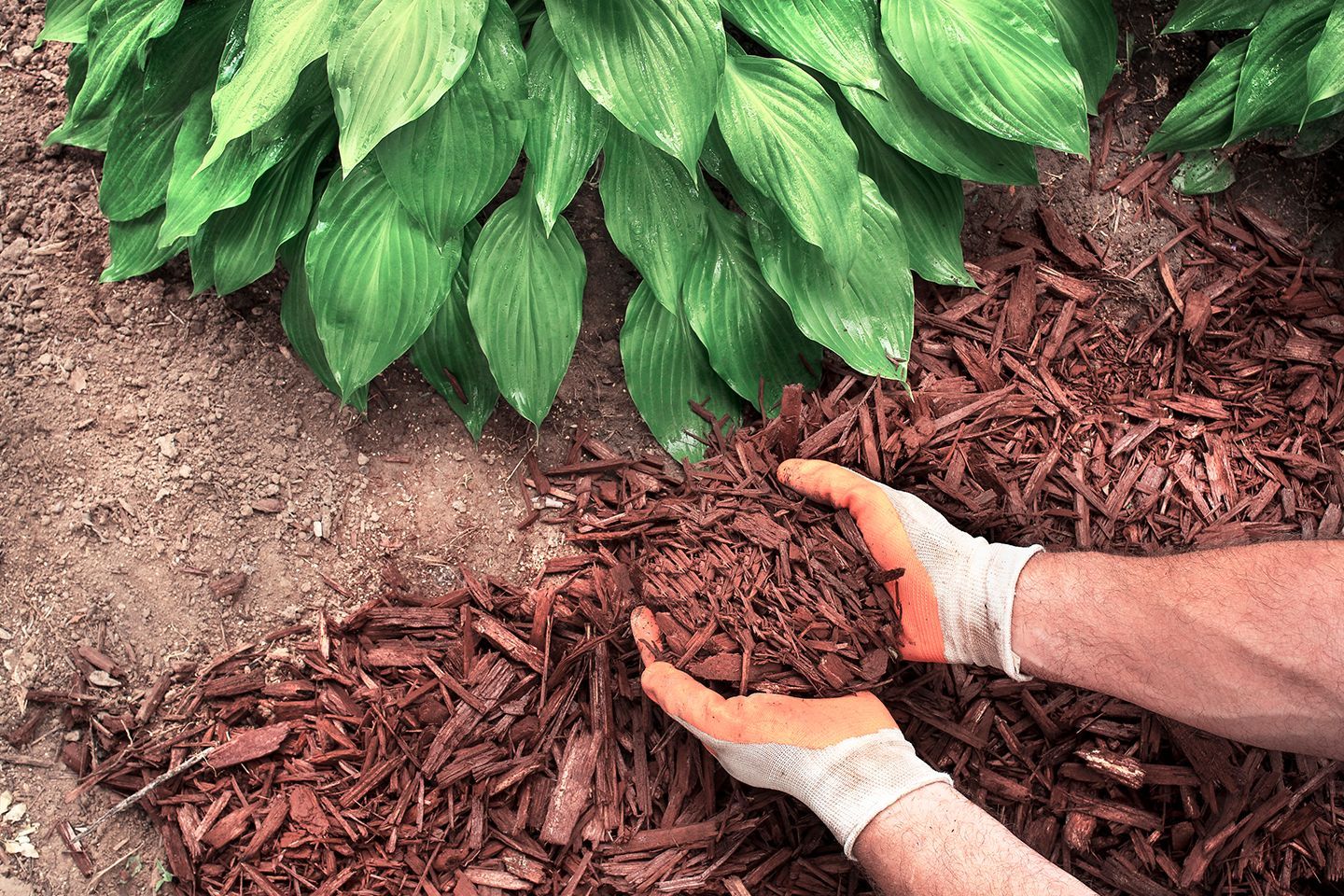
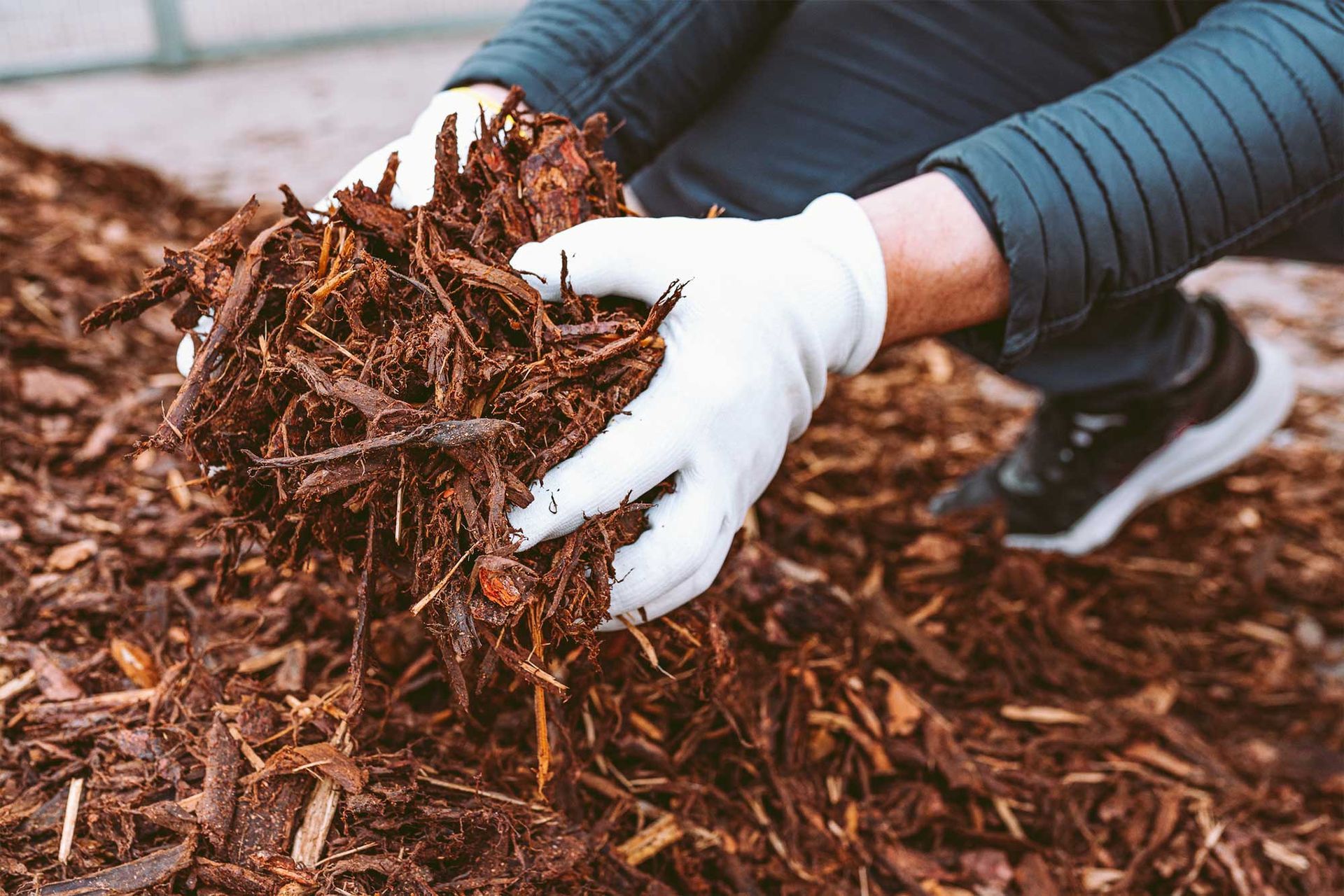
A person is holding a pile of mulch in their hands

Preparing and Winterizing

In addition to planting and pruning, there are several other steps you can take to prepare your landscape for the winter months. Applying a layer of mulch around the base of your plants can help them to retain moisture, insulate their roots, and suppress any unwanted weeds. Fall is also a good time to fertilize your lawn and garden beds to provide essential nutrients for plants in the spring. Be sure when fertilizing to choose an option that is specifically formulated for the fall season. 


Be sure to not neglect your watering habits during the fall as well, because it helps plants to build their reserves and withstand the winter.
It’s crucial to do this before the first hard freeze. If you have tender plants that are less likely to withstand freezing temperatures, consider covering them with frost blankets or row covers on cold nights.

Green Grounds Solutions

By following the tips and recommendations outlined in this blog post, you can ensure that your landscape is well-prepared for the upcoming colder months. Proper pruning, planting, and winterization will not only protect your plants but will also enhance the overall beauty and health of your entire landscape. Remember to prioritize native plants in your garden to support the local ecosystem as well. 


At Green Grounds Solutions we pride ourselves on providing sustainable, beautiful, and quality results for all of your landscaping needs. We are experienced in pruning, planting, and preparing for the fall and winter, and we’re happy to help. Contact us today for a free quote, and let us take the time to give your landscape the attention and respect it deserves. With our help, you’ll have a landscape that thrives throughout every season for years to come.
By Digital+Smart Marketing December 1, 2025
As the chill of winter settles in and your garden starts to wind down, now is the perfect time to think ahead to next year’s growing season. While most gardeners are wrapping up their outdoor chores, one essential task shouldn’t be overlooked: preparing your soil for the months ahead. Winterizing your garden’s soil is one of the best ways to ensure your plants have the nutrients and structure they need to thrive come spring.  Think of soil as the foundation of a house—it’s the base that supports everything you grow, and ensuring it’s in top shape will make your garden healthier, more productive, and ready for an amazing growing season. In this blog, we’ll dive into some fun and easy soil preparation tips that will give your garden a jumpstart and ensure it’s primed for success when the warmer weather returns.
By Digital+Smart Marketing November 25, 2025
As the days shorten and temperatures drop, many homeowners in Chattanooga face the inevitable: a brown, dormant lawn. Traditional grass lawns struggle to maintain their vibrant green color throughout the winter months due to frost, freezing temperatures, and the lack of sunlight. But there’s a solution that can keep your yard looking lush and vibrant all year long—artificial turf. If you're tired of the hassle of winter lawn care or simply want to enjoy a beautiful, green yard throughout the colder months, artificial turf is the perfect option. In this blog, we'll explore how artificial turf can keep your yard green through winter, the benefits it offers, and why it's the right choice for your property.
By Digital+Smart Marketing October 20, 2025
As the crisp air of fall rolls in, it’s the perfect time to turn your attention to tree planting. While spring is often touted as the ideal time to plant trees, fall offers several advantages that make it a prime season for tree installation in Chattanooga. With cooler temperatures and more consistent rainfall, fall provides the ideal environment for your new trees to establish strong roots before the winter chill arrives.  In this guide, we’ll explore why fall is the best time to plant trees in Chattanooga, along with expert tips on how to make your tree installation a success.
By Digital+Smart Marketing October 13, 2025
As the chill of fall begins to set in and winter approaches, your outdoor living spaces might be at risk of damage from cold temperatures, moisture, and harsh weather conditions. While many homeowners focus on preparing their lawn and garden beds for winter, outdoor furniture and hardscaping often get overlooked. Protecting these areas is essential to preserving the beauty, functionality, and longevity of your outdoor spaces.  Whether you’ve invested in a beautiful new patio, fire pit, or seating area, or you’re looking for ways to safeguard your hardscaping elements from the elements, we’re here to help. In this blog, we’ll discuss how to protect your outdoor furniture and hardscaping features for the winter, along with how our expert hardscaping services—such as pouring concrete, paver installation, and gravel/pea pebble installations—can prepare and protect your outdoor space throughout the colder months.
By Digital+Smart Marketing September 25, 2025
Keep your lawn healthy year-round with raking, leaf removal, and sustainable yard care from Chattanooga experts.
By Digital+Smart Marketing September 10, 2025
As the sweltering heat of summer fades and cooler, crisp days arrive, it’s the perfect time to think about your lawn’s health and beauty. Fall is one of the best seasons for planting new grass or rejuvenating an existing lawn. With the right timing and technique, you can ensure a lush, vibrant green lawn that will thrive through the cooler months and set the stage for a stunning yard in the spring. Here’s your ultimate guide to fall grass seeding, filled with expert tips to help you achieve the lawn of your dreams. Why Fall is the Best Time for Grass Seeding Many homeowners overlook the fall as an ideal time to plant grass, but this season offers a variety of benefits that make it the perfect window for seeding: Cooler temperatures: The cooler air and soil temperatures create an ideal environment for grass seed germination. Grass grows best in temperatures between 50-65°F, which is common during the fall months. Less competition from weeds: Weeds tend to slow down during fall, giving your grass seeds a better chance to establish roots before the winter months. Moisture: Fall often brings more consistent rainfall, helping the seeds settle into the soil and providing them with the moisture they need for germination. Strong root development: Grass seeds planted in the fall have the chance to grow strong roots before the winter freeze. This root development ensures that the grass will be healthier and more resilient when spring arrives. Step-by-Step Guide to Fall Grass Seeding Achieving a lush, green lawn through fall seeding requires careful preparation and attention to detail. Follow these steps to ensure your grass has the best chance for success: Choose the Right Grass Seed for Your Region Selecting the right grass seed is critical for achieving a healthy, lush lawn. For fall seeding, certain grass varieties are better suited to cooler temperatures and the growing conditions of fall. Here are some top choices for your lawn: Fescue: Fescue is a cool-season grass that thrives in cooler temperatures and is well-suited for the fall. It’s known for its shade tolerance and ability to create a lush, green lawn. It's an excellent choice for lawns that receive partial shade or areas with more foot traffic. Bermuda: While Bermuda is typically a warm-season grass, it can still be seeded in the fall in regions where the winter is mild. Bermuda grass is heat-tolerant and drought-resistant, and it can develop strong roots in fall, preparing it to grow vigorously in the spring. Clover/Fescue Mix: For a low-maintenance, eco-friendly lawn, consider a mix of fescue and clover. Clover is drought-resistant and provides excellent ground cover, while fescue offers the lush, green look typical of a traditional lawn. The combination creates a hardy lawn that’s resilient and requires less water and fertilizer. SlopeMaster: For areas with slopes, consider using SlopeMaster seed. This blend is specifically formulated for erosion control and fast establishment on sloped surfaces. It's an excellent choice for preventing soil erosion while providing a green, attractive cover on hilly landscapes. Choosing the right grass mix for your needs and lawn conditions will ensure a successful seeding and establish a lawn that thrives throughout the fall and spring.
By Digital+Smart Marketing September 10, 2025
As the warm days of summer begin to fade and the cooler breeze of fall rolls in, it’s time to prepare your garden for the winter months ahead. While many of us focus on getting our lawns and flower beds ready for the chill, trees and shrubs also require special attention to ensure they stay healthy and strong through the winter. Proper seasonal care for your trees and shrubs will not only help them survive the cold temperatures but also thrive in the coming spring. Here’s your essential guide to seasonal shrub and tree maintenance, to ensure a healthy winter transition for your landscape. Prune and Trim Dead or Damaged Growth Pruning is one of the most important tasks in preparing your shrubs and trees for winter. As the weather cools, your plants will go into dormancy, but any dead or diseased growth needs to be removed to promote healthy growth in the next season. Remove dead or diseased branches: Start by inspecting your trees and shrubs for any damaged or diseased branches. Removing these helps reduce the risk of pests and diseases over the winter months and encourages the plant to direct its energy toward healthy growth. Shape shrubs: Trimming shrubs to maintain their shape can help prevent wind damage and snow accumulation, both of which could harm the plant’s structure. Make sure to prune back leggy or overly bushy growth to maintain a strong, balanced shape. Avoid heavy pruning of flowering shrubs: For shrubs that bloom in early spring (such as Forsythia or Lilac), avoid heavy pruning during fall as you may remove the buds for next season. Instead, focus on removing dead or weak stems to prevent disease. Watering: Don't Let Them Dry Out Although fall brings cooler temperatures, trees and shrubs still need consistent watering to prepare for winter. Moisture in the soil helps the roots establish strong systems before they go dormant for the winter. Deep watering: Before the ground freezes, give your trees and shrubs a deep watering, especially if the fall season has been dry. Aim to water deeply once a week if rainfall is insufficient. Focus on the root zone, as this is where the plant will absorb moisture for the coming cold months. Mulch to retain moisture: Mulch is a great way to help the soil retain moisture and keep the roots insulated against the cold. Apply a 2-3 inch layer of mulch around the base of trees and shrubs. Be sure to keep mulch a few inches away from the trunks to prevent rot. Fertilizing for Winter Health While you don’t need to fertilize all trees and shrubs during the fall, some could benefit from a little extra nourishment before winter. Fall fertilization encourages strong root growth and helps your plants build up energy reserves for the coming spring. Use a slow-release fertilizer: Choose a slow-release, balanced fertilizer that’s high in potassium and phosphorus to encourage root development rather than promoting top growth. Apply the fertilizer according to the manufacturer's directions, and avoid fertilizing late in the season, as this could encourage new growth that may not have enough time to harden off before the cold weather sets in. Evergreens need extra care: Evergreen trees and shrubs, such as pines, firs, and spruces, continue to transpire moisture throughout the winter. They benefit from a light fall feeding to help them survive the dry winter months. Opt for a fertilizer formulated for evergreens for best results.
August 25, 2025
Artificial turf is a fantastic solution for homeowners looking to maintain a lush, green lawn year-round—especially during the hottest months of summer when natural grass struggles to stay vibrant. While artificial turf requires less maintenance than natural grass, it still needs attention to keep it looking its best throughout the season. Here are some essential maintenance tips for ensuring your artificial turf stays green and pristine, even in the heat of summer.
August 14, 2025
As the heat of summer begins to wane and cooler fall days approach, it’s time to start thinking about how to prepare your lawn and garden for the upcoming season. One of the best ways to ensure your landscape stays healthy and vibrant throughout the fall and winter months is by performing end-of-summer pruning and trimming. Here are some essential tips to help your plants, trees, and lawn thrive as we transition into the cooler months.
July 28, 2025
As summer rolls in, homeowners and business owners alike look for ways to boost their outdoor spaces—combining functionality with aesthetic charm. Whether you want to enjoy a peaceful backyard barbecue, define your property line, or enhance security, choosing the right fence can transform your outdoor area into the perfect summer sanctuary. At Green Grounds Solutions , we specialize in residential and commercial fencing of all styles, heights, and materials, ensuring you get the perfect fit for your property.