Attract Bees & Butterflies: Top Pollinator Plants

April 2, 2025
Imagine a garden buzzing with life—bees darting between flowers, butterflies gracefully fluttering about, and vibrant blooms lighting up your yard. Not only is this a visual delight, but it’s also essential for supporting local ecosystems. A pollinator-friendly garden isn’t just beautiful; it’s a sanctuary for the hardworking bees, butterflies, and other pollinators that keep our environment thriving.

If you’re ready to transform your outdoor space into a haven for pollinators, here are the top plants to attract these vital creatures and keep your garden buzzing with activity.

Why Create a Pollinator-Friendly Garden?

Pollinators like bees and butterflies play a critical role in our food supply and ecosystem. Without them, plants—including fruits, vegetables, and flowers—would struggle to reproduce. Creating a pollinator-friendly garden not only helps protect these species but also ensures vibrant blooms and a thriving yard. Plus, who doesn’t love a garden teeming with life and color?


Top Pollinator Plants for Chattanooga Gardens

These plants thrive in Chattanooga’s climate while providing food, shelter, and nectar for pollinators:
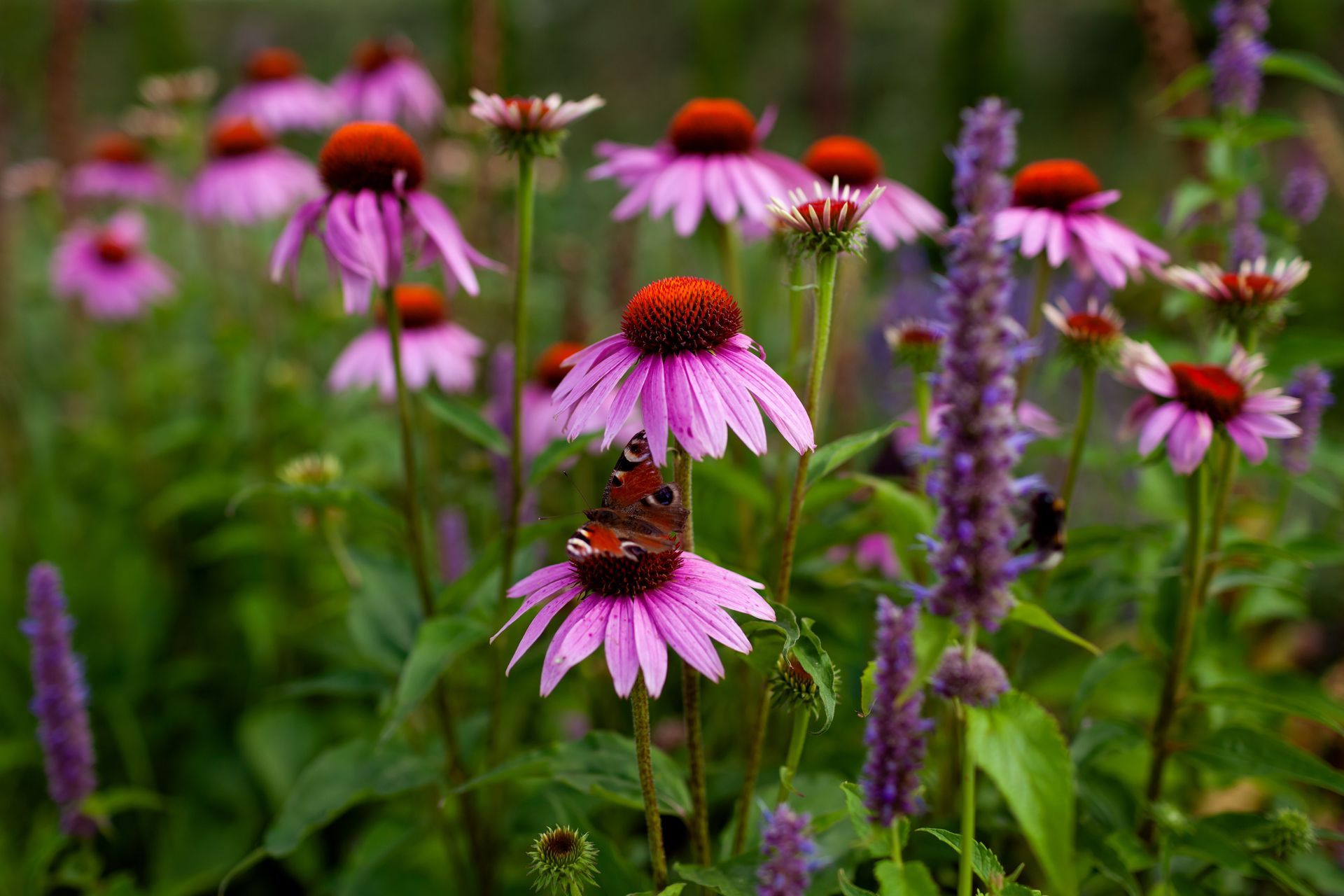
A butterfly is sitting on a purple flower in a beautifully landscaped field.

1. Echinacea (Coneflower)

With its bright, daisy-like blooms, Echinacea is a magnet for bees and butterflies. This hardy perennial tolerates heat and drought, making it perfect for Chattanooga summers.


Why Pollinators Love It:

  • High nectar content
  • Blooms from summer to fall
  • Provides seeds for birds in the winter
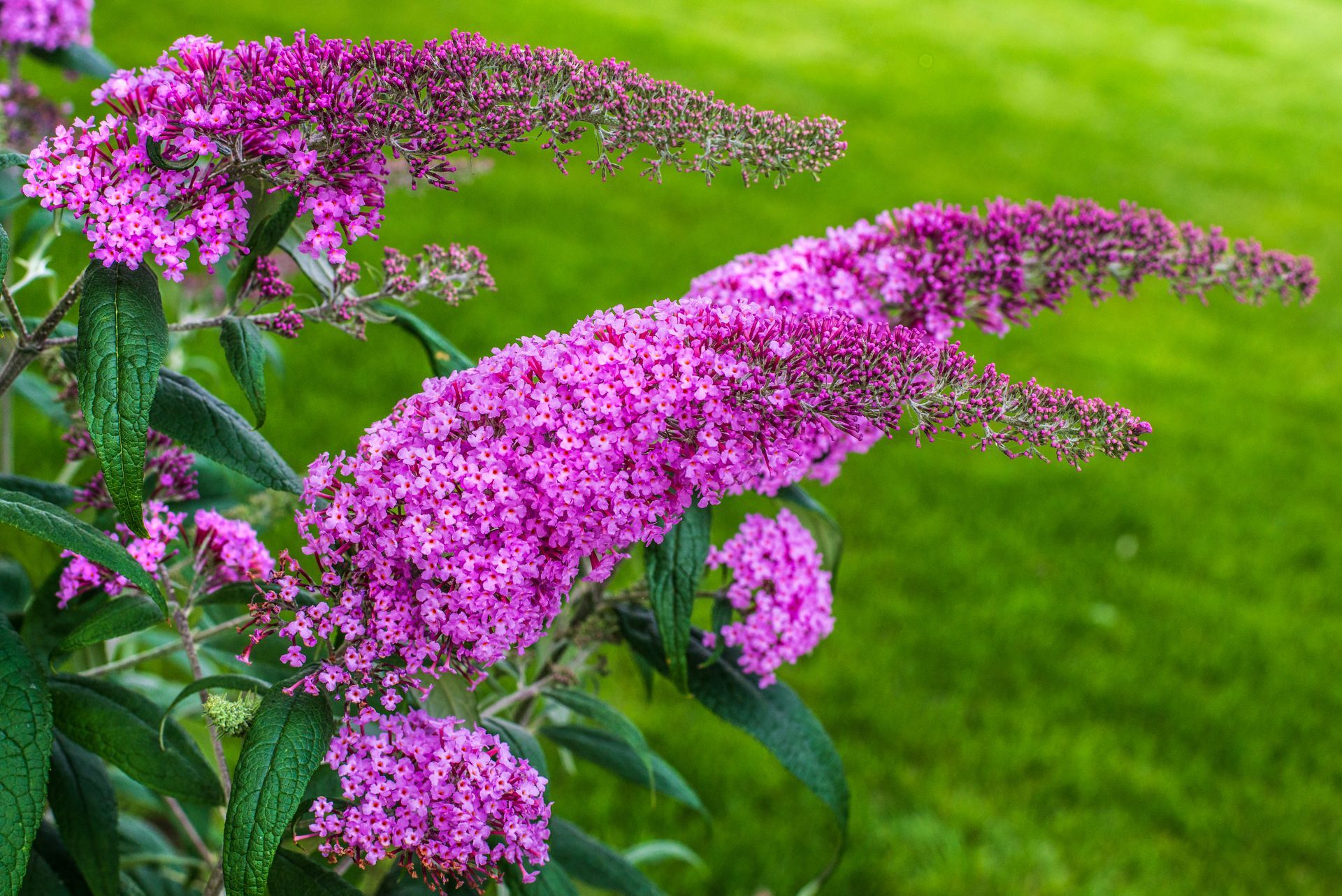
A close up of a trimmed bush with purple flowers and green leaves.

2. Buddleia (Butterfly Bush)

It’s called the Butterfly Bush for a reason! Buddleia’s fragrant, cone-shaped flowers are irresistible to butterflies and hummingbirds.


Best Varieties:

  • Blue Heaven: Striking purple-blue flowers
  • Miss Violet: Compact with vibrant violet blooms


Pro Tip: Choose sterile or compact varieties to avoid invasive tendencies.
A bunch of purple flowers are growing in a grassy landscape.

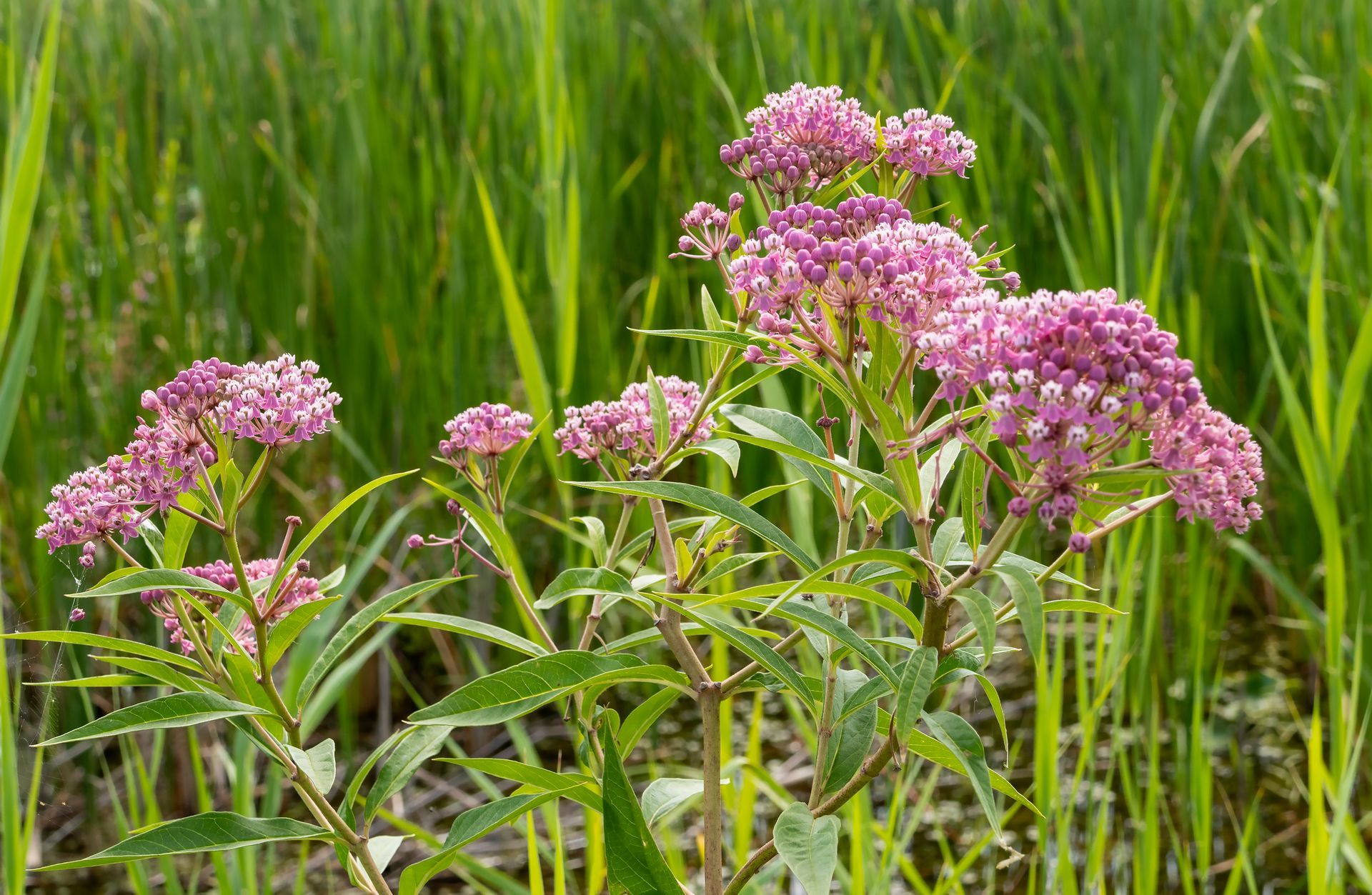
3. Milkweed (Asclepias)

Milkweed is the ultimate plant for attracting monarch butterflies, as it’s their primary host plant. It’s also a favorite for bees.


Why It’s Essential:

  • Supports monarch butterfly reproduction
  • Tolerates heat and poor soil conditions
  • Blooms in vibrant shades of orange, pink, and white
A bush with pink flowers and green leaves in a landscaped garden.

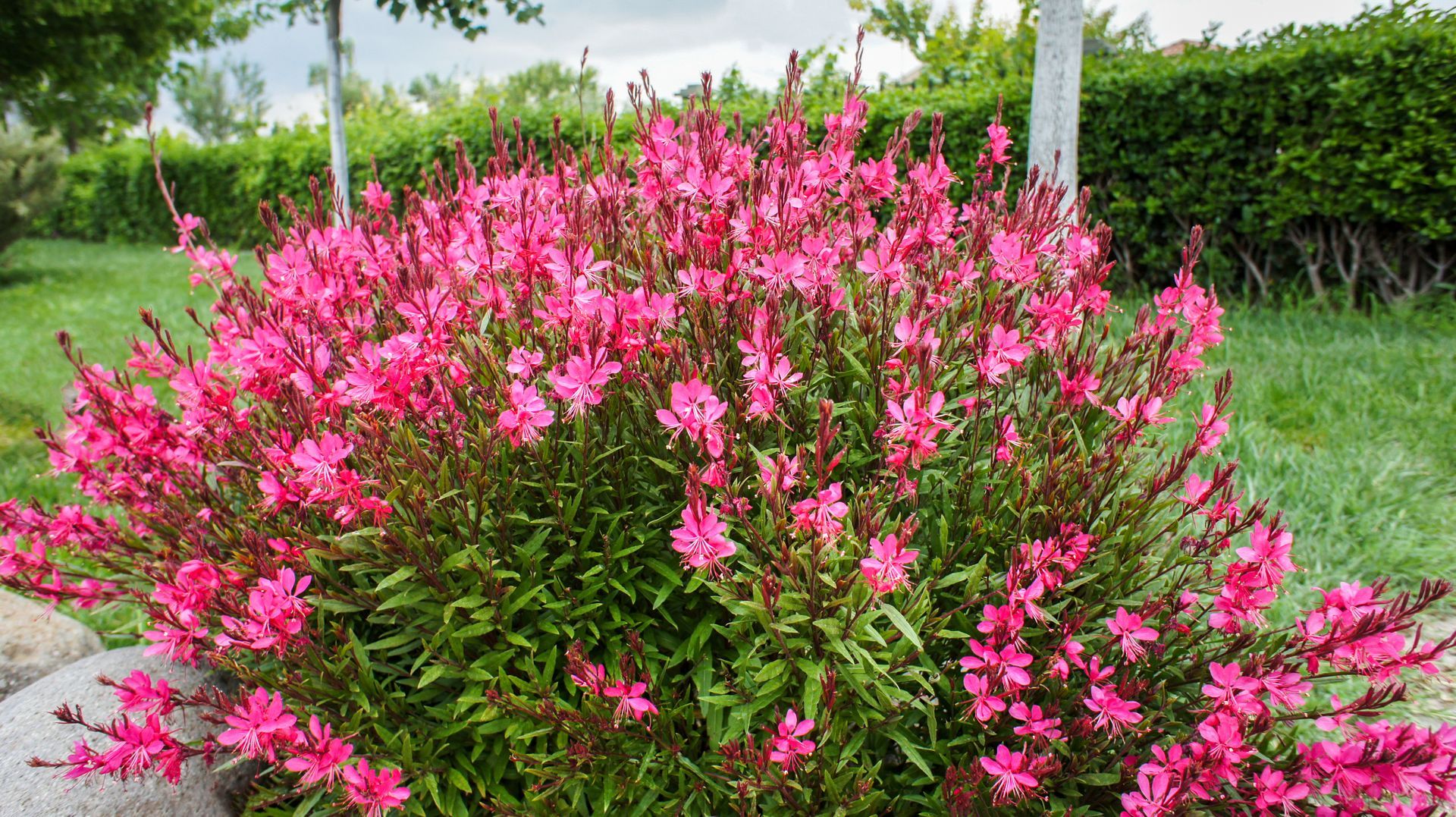
4. Gaura (Whirling Butterflies)

With its delicate flowers that sway in the breeze, Gaura is as beautiful as it is beneficial. Bees and butterflies love its nectar-rich blooms.


Best Choices:

  • Whirling Butterflies: White blooms that resemble butterflies in flight
  • Siskiyou Pink: Stunning pink flowers
A trimmed hedge filled with lots of purple flowers and green leaves.

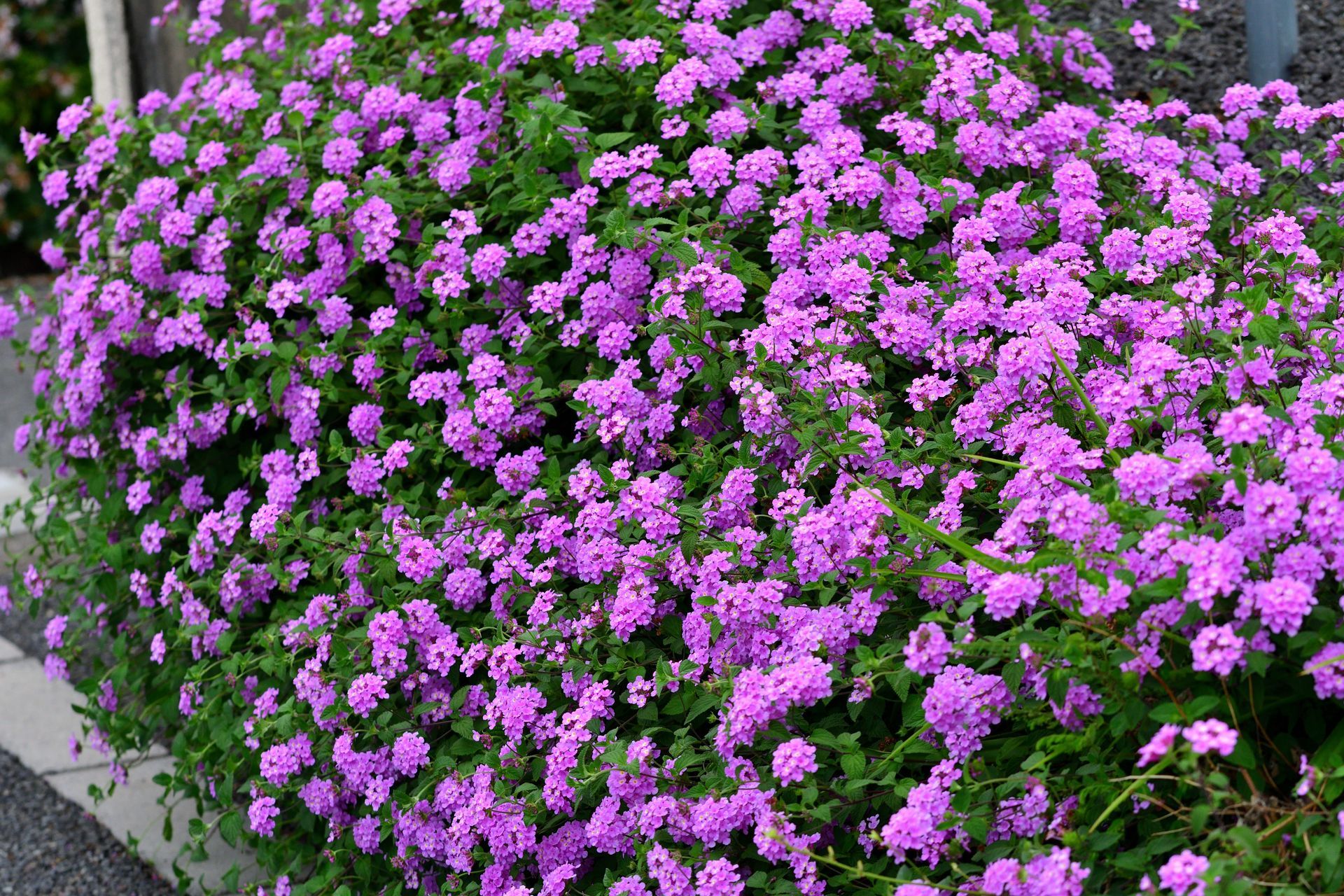
5. Verbena

This low-maintenance ground cover is a favorite among pollinators. Its clusters of tiny flowers are perfect for bees and butterflies to feast on.


Why It’s Perfect for Chattanooga:

  • Thrives in full sun
  • Blooms from spring to fall
  • Works well in garden beds or containers
A bunch of yellow flowers with red centers in a Chattanooga field

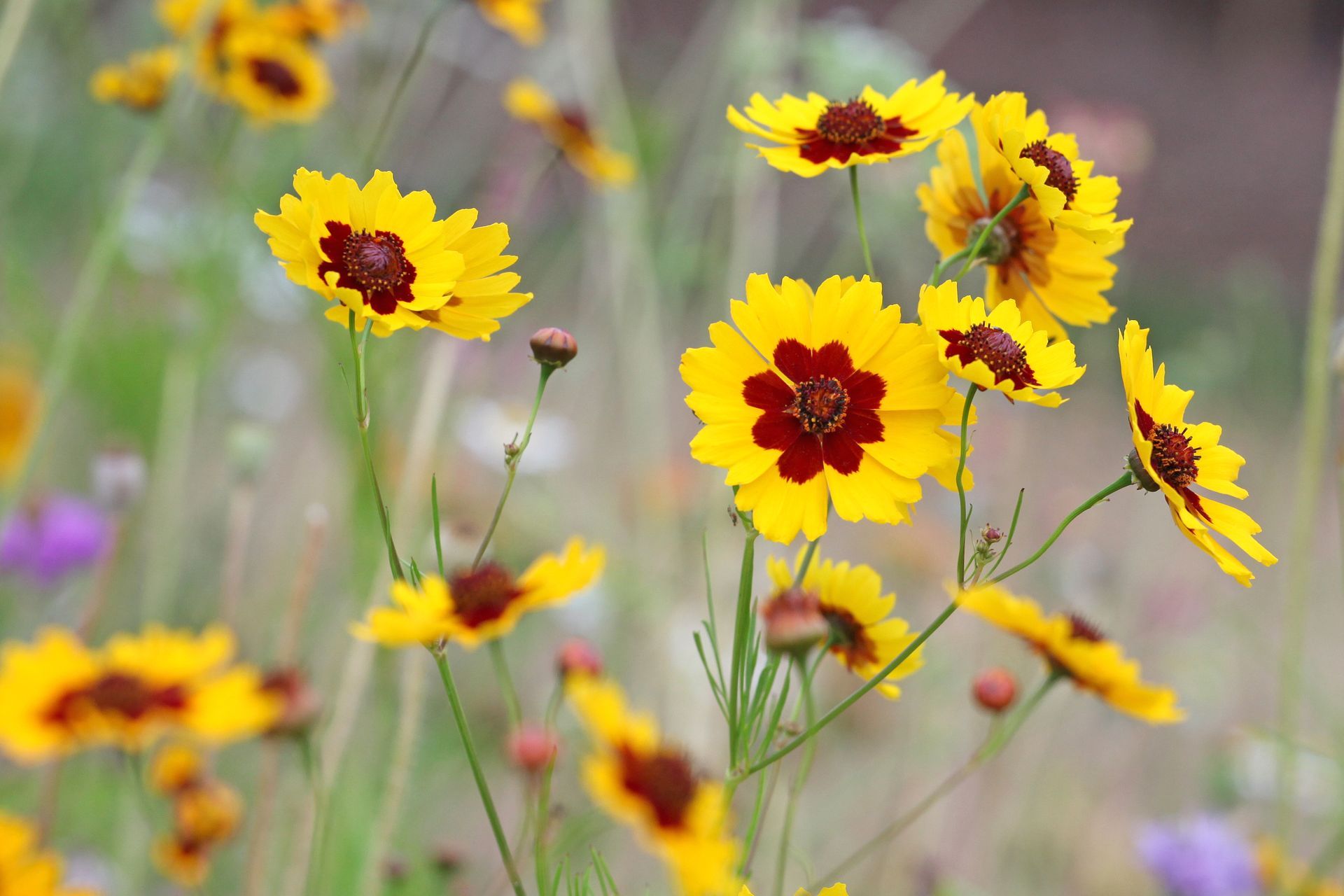
6. Coreopsis

With its cheerful yellow blooms, Coreopsis is like a beacon for pollinators. It’s drought-tolerant and blooms profusely all summer long.


Top Varieties:

  • Jethro Tull: Golden, trumpet-shaped flowers
  • Zagreb: Compact and floriferous
A bunch of purple flowers are growing on a bush in a garden.

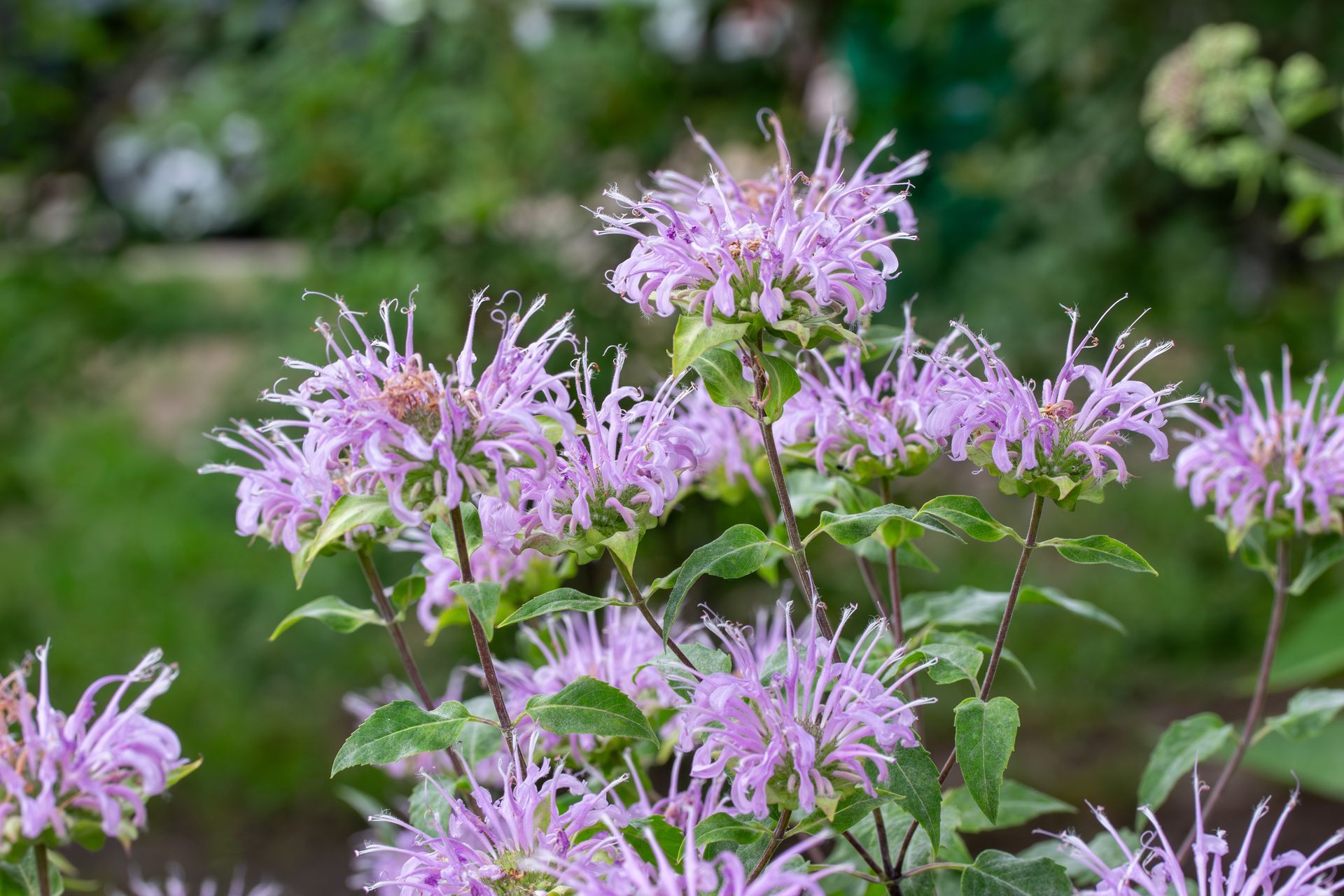
7. Purple Bee Balm (Monarda)

Bee Balm’s vibrant, tubular flowers attract not just bees but hummingbirds and butterflies too. It’s a native plant that thrives in Chattanooga’s climate.


Why Pollinators Flock to It:

  • High nectar content
  • Long blooming season
  • Adds a splash of bold color to any garden
Three purple potted plants with purple flowers are sitting in the dirt ready to be landscaped.

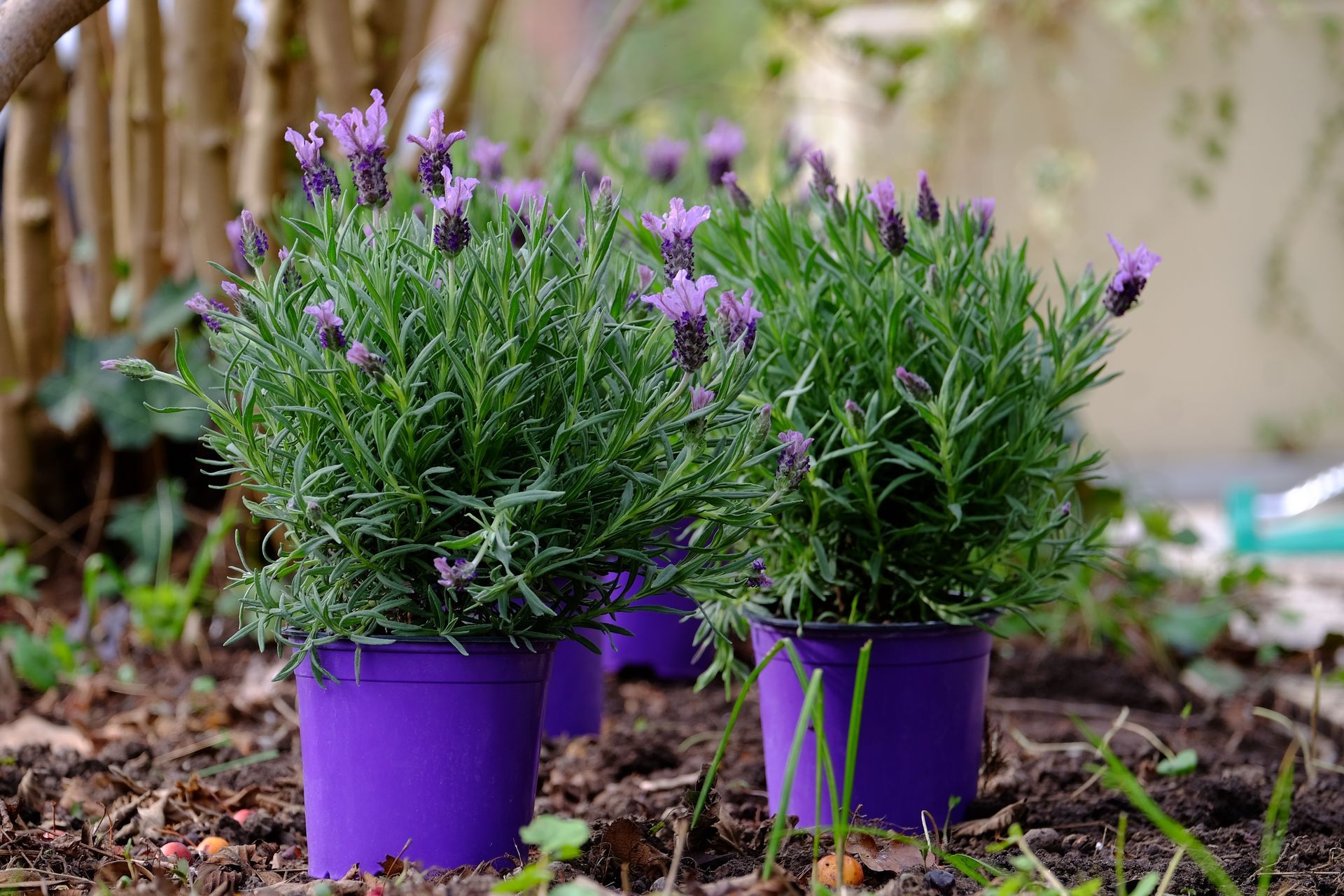
8. Lavender

Known for its soothing scent, lavender is a favorite of bees and butterflies. It thrives in sunny spots and adds a touch of elegance to any garden.


Why It’s a Must-Have:

  • Blooms in late spring and summer
  • Drought-tolerant once established
  • Works well as a border plant
A close up of a garden with a purple flower with green leaves in the background.

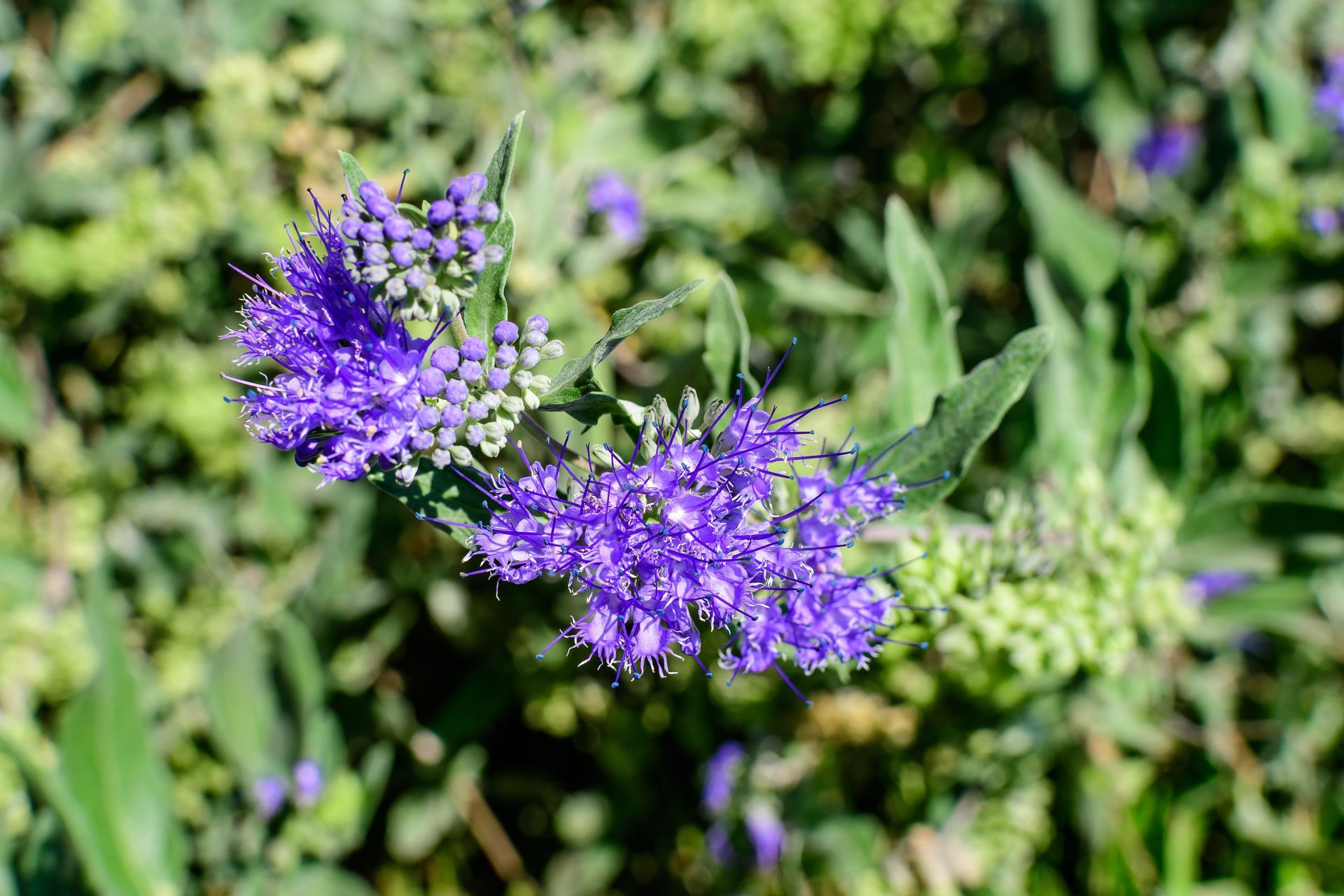
9. Caryopteris (Blue Mist Shrub)

This late-summer bloomer is a lifesaver for pollinators when other plants have stopped flowering. Its blue blooms are a stunning addition to any garden.


Why You’ll Love It:

  • Compact and low-maintenance
  • A late-season nectar source for bees and butterflies
  • Perfect for small gardens

Tips for a Thriving Pollinator Garden

  1. Plant in Clusters: Group flowers of the same species together. This makes it easier for pollinators to find and feed efficiently.

  2. Choose Native Plants: Native plants like Milkweed and Bee Balm are naturally adapted to Chattanooga’s climate and attract more local pollinators.

  3. Provide Blooming Variety: Ensure a mix of plants that bloom in spring, summer, and fall for a continuous food source.

  4. Skip Pesticides: Many pesticides harm pollinators. Opt for natural pest control methods instead.

  5. Add Water Features: A shallow dish of water with stones for resting can be a lifeline for thirsty pollinators.

Make Your Garden a Pollinator Paradise

Creating a pollinator-friendly garden is a win-win: your yard becomes a beautiful, buzzing oasis, and you contribute to the health of Chattanooga’s ecosystem. With the right plants and a little care, you can attract bees, butterflies, and other pollinators while enjoying the vibrant energy they bring.


Ready to start your pollinator-friendly garden? At Green Grounds, we specialize in designing and planting gardens that are as functional as they are stunning. Contact us today to bring your vision to life!
By Digital+Smart Marketing December 1, 2025
As the chill of winter settles in and your garden starts to wind down, now is the perfect time to think ahead to next year’s growing season. While most gardeners are wrapping up their outdoor chores, one essential task shouldn’t be overlooked: preparing your soil for the months ahead. Winterizing your garden’s soil is one of the best ways to ensure your plants have the nutrients and structure they need to thrive come spring.  Think of soil as the foundation of a house—it’s the base that supports everything you grow, and ensuring it’s in top shape will make your garden healthier, more productive, and ready for an amazing growing season. In this blog, we’ll dive into some fun and easy soil preparation tips that will give your garden a jumpstart and ensure it’s primed for success when the warmer weather returns.
By Digital+Smart Marketing November 25, 2025
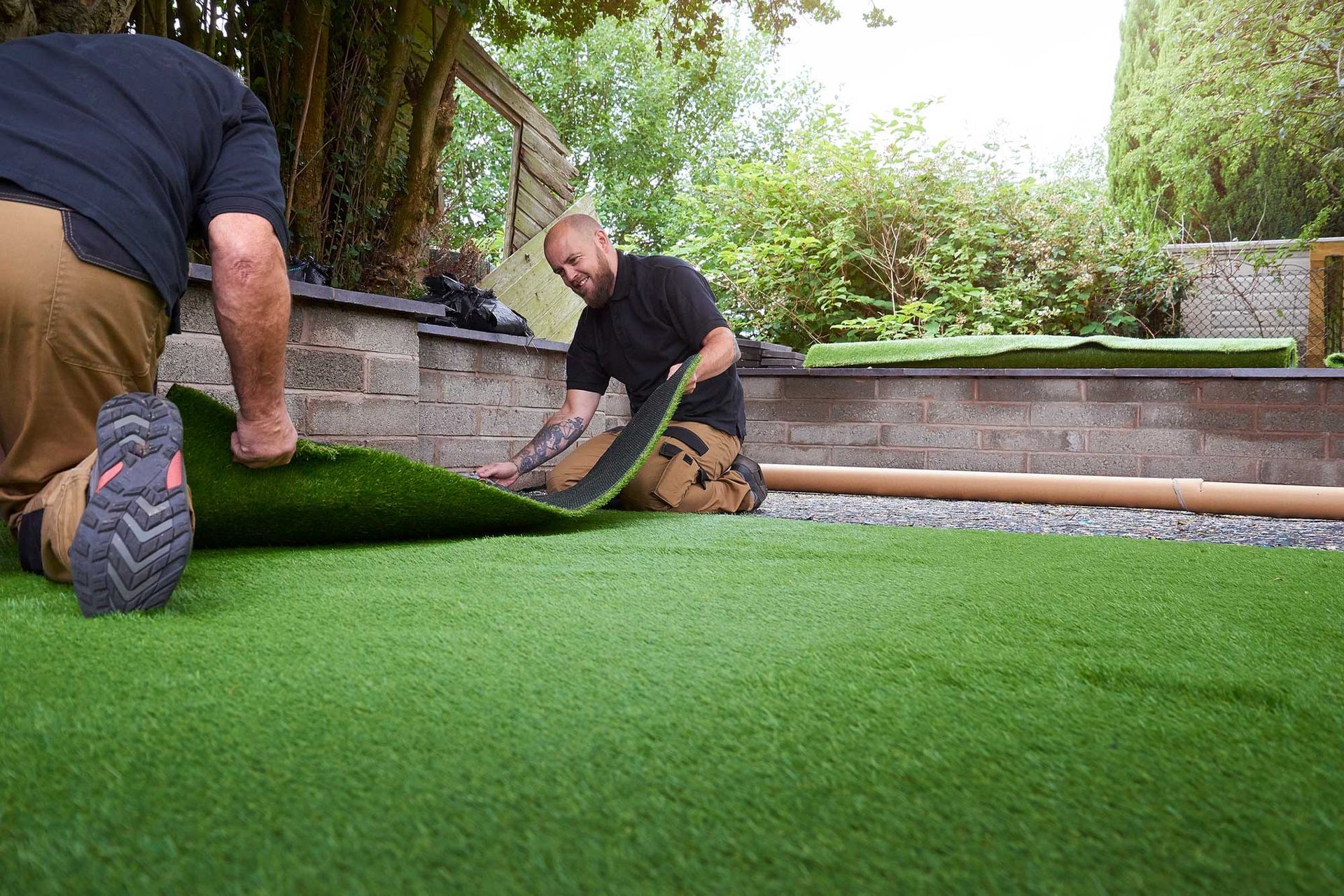
As the days shorten and temperatures drop, many homeowners in Chattanooga face the inevitable: a brown, dormant lawn. Traditional grass lawns struggle to maintain their vibrant green color throughout the winter months due to frost, freezing temperatures, and the lack of sunlight. But there’s a solution that can keep your yard looking lush and vibrant all year long—artificial turf. If you're tired of the hassle of winter lawn care or simply want to enjoy a beautiful, green yard throughout the colder months, artificial turf is the perfect option. In this blog, we'll explore how artificial turf can keep your yard green through winter, the benefits it offers, and why it's the right choice for your property.
By Digital+Smart Marketing October 20, 2025
As the crisp air of fall rolls in, it’s the perfect time to turn your attention to tree planting. While spring is often touted as the ideal time to plant trees, fall offers several advantages that make it a prime season for tree installation in Chattanooga. With cooler temperatures and more consistent rainfall, fall provides the ideal environment for your new trees to establish strong roots before the winter chill arrives.  In this guide, we’ll explore why fall is the best time to plant trees in Chattanooga, along with expert tips on how to make your tree installation a success.
By Digital+Smart Marketing October 13, 2025
As the chill of fall begins to set in and winter approaches, your outdoor living spaces might be at risk of damage from cold temperatures, moisture, and harsh weather conditions. While many homeowners focus on preparing their lawn and garden beds for winter, outdoor furniture and hardscaping often get overlooked. Protecting these areas is essential to preserving the beauty, functionality, and longevity of your outdoor spaces.  Whether you’ve invested in a beautiful new patio, fire pit, or seating area, or you’re looking for ways to safeguard your hardscaping elements from the elements, we’re here to help. In this blog, we’ll discuss how to protect your outdoor furniture and hardscaping features for the winter, along with how our expert hardscaping services—such as pouring concrete, paver installation, and gravel/pea pebble installations—can prepare and protect your outdoor space throughout the colder months.
By Digital+Smart Marketing September 25, 2025
Keep your lawn healthy year-round with raking, leaf removal, and sustainable yard care from Chattanooga experts.
By Digital+Smart Marketing September 10, 2025
As the sweltering heat of summer fades and cooler, crisp days arrive, it’s the perfect time to think about your lawn’s health and beauty. Fall is one of the best seasons for planting new grass or rejuvenating an existing lawn. With the right timing and technique, you can ensure a lush, vibrant green lawn that will thrive through the cooler months and set the stage for a stunning yard in the spring. Here’s your ultimate guide to fall grass seeding, filled with expert tips to help you achieve the lawn of your dreams. Why Fall is the Best Time for Grass Seeding Many homeowners overlook the fall as an ideal time to plant grass, but this season offers a variety of benefits that make it the perfect window for seeding: Cooler temperatures: The cooler air and soil temperatures create an ideal environment for grass seed germination. Grass grows best in temperatures between 50-65°F, which is common during the fall months. Less competition from weeds: Weeds tend to slow down during fall, giving your grass seeds a better chance to establish roots before the winter months. Moisture: Fall often brings more consistent rainfall, helping the seeds settle into the soil and providing them with the moisture they need for germination. Strong root development: Grass seeds planted in the fall have the chance to grow strong roots before the winter freeze. This root development ensures that the grass will be healthier and more resilient when spring arrives. Step-by-Step Guide to Fall Grass Seeding Achieving a lush, green lawn through fall seeding requires careful preparation and attention to detail. Follow these steps to ensure your grass has the best chance for success: Choose the Right Grass Seed for Your Region Selecting the right grass seed is critical for achieving a healthy, lush lawn. For fall seeding, certain grass varieties are better suited to cooler temperatures and the growing conditions of fall. Here are some top choices for your lawn: Fescue: Fescue is a cool-season grass that thrives in cooler temperatures and is well-suited for the fall. It’s known for its shade tolerance and ability to create a lush, green lawn. It's an excellent choice for lawns that receive partial shade or areas with more foot traffic. Bermuda: While Bermuda is typically a warm-season grass, it can still be seeded in the fall in regions where the winter is mild. Bermuda grass is heat-tolerant and drought-resistant, and it can develop strong roots in fall, preparing it to grow vigorously in the spring. Clover/Fescue Mix: For a low-maintenance, eco-friendly lawn, consider a mix of fescue and clover. Clover is drought-resistant and provides excellent ground cover, while fescue offers the lush, green look typical of a traditional lawn. The combination creates a hardy lawn that’s resilient and requires less water and fertilizer. SlopeMaster: For areas with slopes, consider using SlopeMaster seed. This blend is specifically formulated for erosion control and fast establishment on sloped surfaces. It's an excellent choice for preventing soil erosion while providing a green, attractive cover on hilly landscapes. Choosing the right grass mix for your needs and lawn conditions will ensure a successful seeding and establish a lawn that thrives throughout the fall and spring.
By Digital+Smart Marketing September 10, 2025
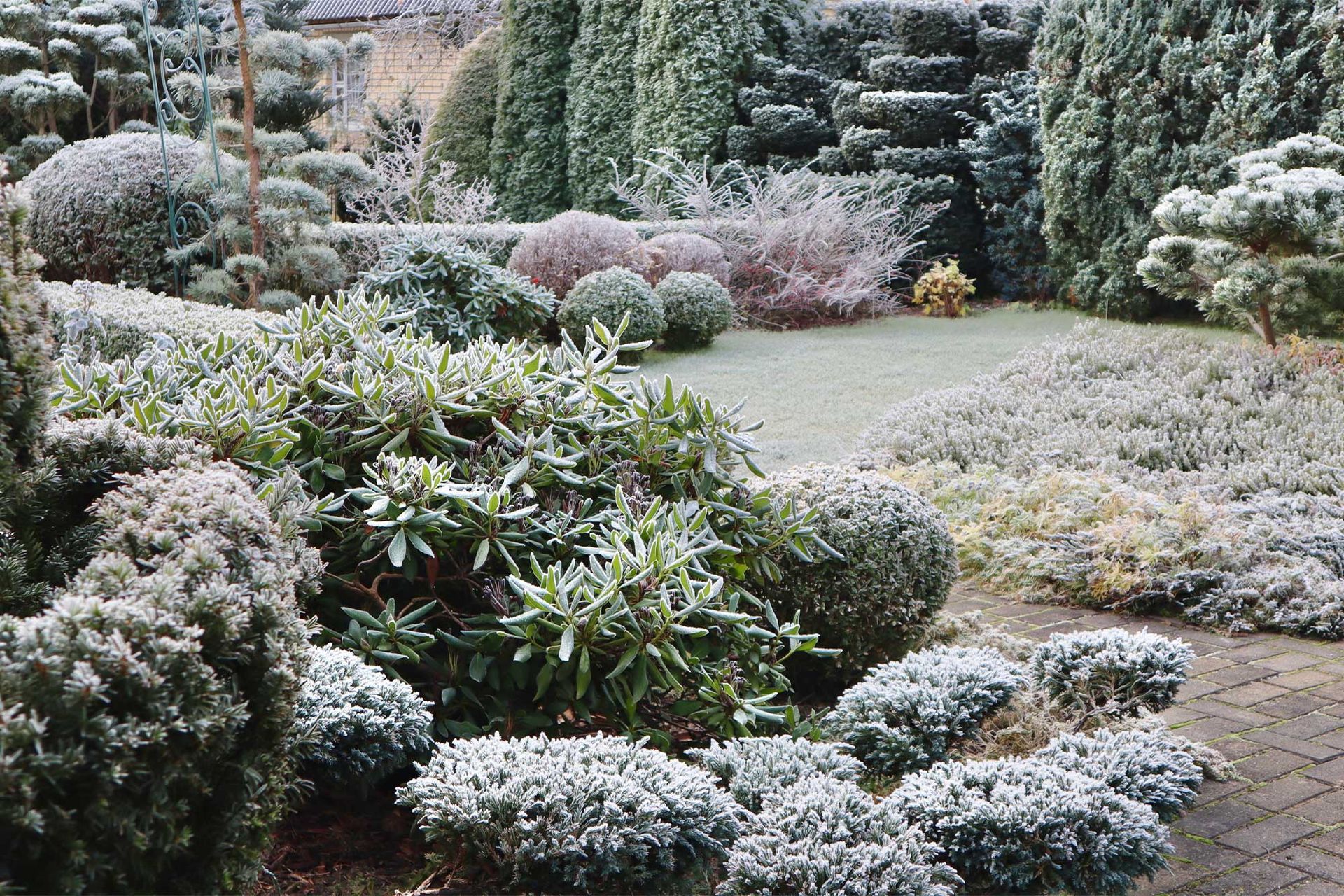
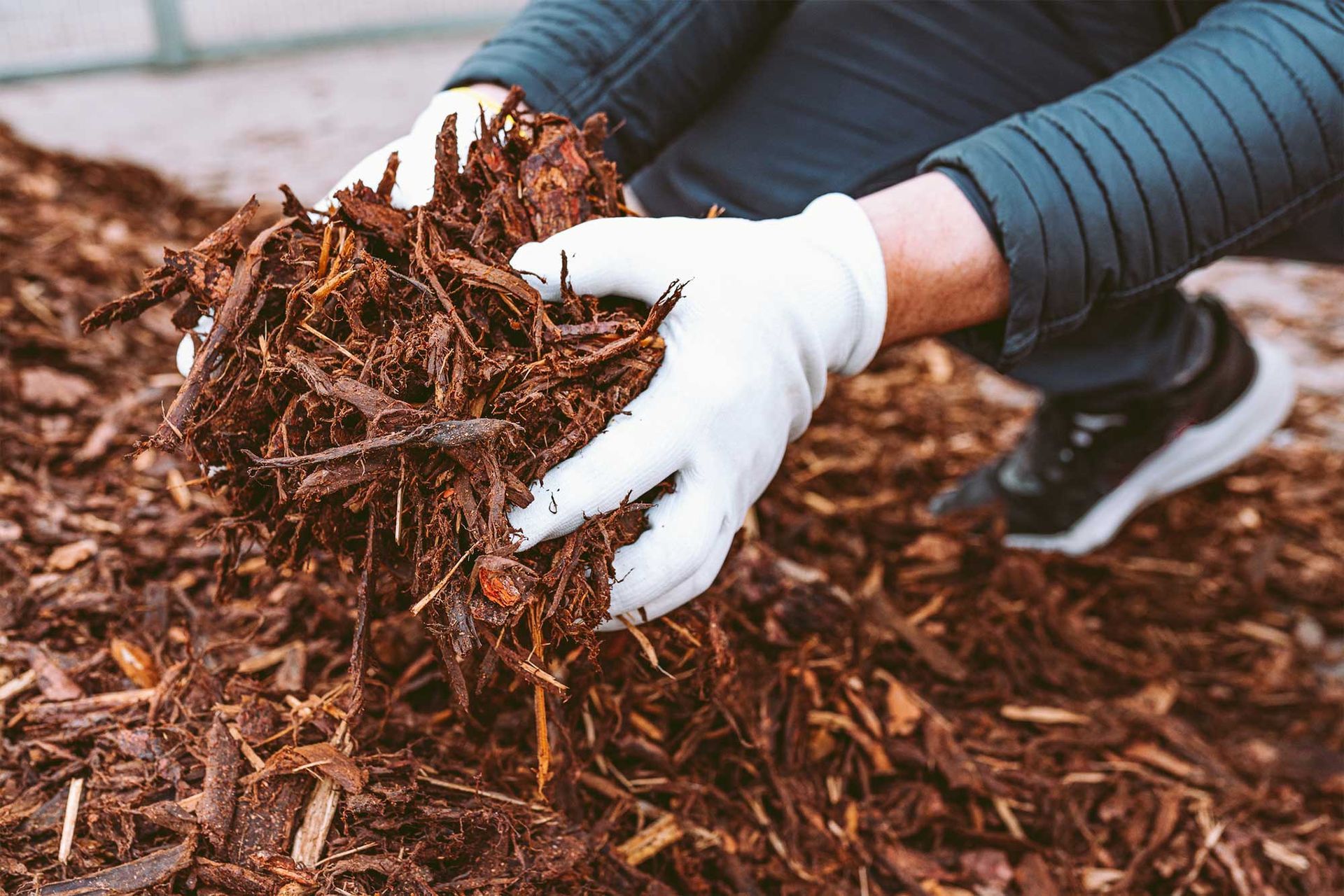
As the warm days of summer begin to fade and the cooler breeze of fall rolls in, it’s time to prepare your garden for the winter months ahead. While many of us focus on getting our lawns and flower beds ready for the chill, trees and shrubs also require special attention to ensure they stay healthy and strong through the winter. Proper seasonal care for your trees and shrubs will not only help them survive the cold temperatures but also thrive in the coming spring. Here’s your essential guide to seasonal shrub and tree maintenance, to ensure a healthy winter transition for your landscape. Prune and Trim Dead or Damaged Growth Pruning is one of the most important tasks in preparing your shrubs and trees for winter. As the weather cools, your plants will go into dormancy, but any dead or diseased growth needs to be removed to promote healthy growth in the next season. Remove dead or diseased branches: Start by inspecting your trees and shrubs for any damaged or diseased branches. Removing these helps reduce the risk of pests and diseases over the winter months and encourages the plant to direct its energy toward healthy growth. Shape shrubs: Trimming shrubs to maintain their shape can help prevent wind damage and snow accumulation, both of which could harm the plant’s structure. Make sure to prune back leggy or overly bushy growth to maintain a strong, balanced shape. Avoid heavy pruning of flowering shrubs: For shrubs that bloom in early spring (such as Forsythia or Lilac), avoid heavy pruning during fall as you may remove the buds for next season. Instead, focus on removing dead or weak stems to prevent disease. Watering: Don't Let Them Dry Out Although fall brings cooler temperatures, trees and shrubs still need consistent watering to prepare for winter. Moisture in the soil helps the roots establish strong systems before they go dormant for the winter. Deep watering: Before the ground freezes, give your trees and shrubs a deep watering, especially if the fall season has been dry. Aim to water deeply once a week if rainfall is insufficient. Focus on the root zone, as this is where the plant will absorb moisture for the coming cold months. Mulch to retain moisture: Mulch is a great way to help the soil retain moisture and keep the roots insulated against the cold. Apply a 2-3 inch layer of mulch around the base of trees and shrubs. Be sure to keep mulch a few inches away from the trunks to prevent rot. Fertilizing for Winter Health While you don’t need to fertilize all trees and shrubs during the fall, some could benefit from a little extra nourishment before winter. Fall fertilization encourages strong root growth and helps your plants build up energy reserves for the coming spring. Use a slow-release fertilizer: Choose a slow-release, balanced fertilizer that’s high in potassium and phosphorus to encourage root development rather than promoting top growth. Apply the fertilizer according to the manufacturer's directions, and avoid fertilizing late in the season, as this could encourage new growth that may not have enough time to harden off before the cold weather sets in. Evergreens need extra care: Evergreen trees and shrubs, such as pines, firs, and spruces, continue to transpire moisture throughout the winter. They benefit from a light fall feeding to help them survive the dry winter months. Opt for a fertilizer formulated for evergreens for best results.
August 25, 2025
Artificial turf is a fantastic solution for homeowners looking to maintain a lush, green lawn year-round—especially during the hottest months of summer when natural grass struggles to stay vibrant. While artificial turf requires less maintenance than natural grass, it still needs attention to keep it looking its best throughout the season. Here are some essential maintenance tips for ensuring your artificial turf stays green and pristine, even in the heat of summer.
August 14, 2025
As the heat of summer begins to wane and cooler fall days approach, it’s time to start thinking about how to prepare your lawn and garden for the upcoming season. One of the best ways to ensure your landscape stays healthy and vibrant throughout the fall and winter months is by performing end-of-summer pruning and trimming. Here are some essential tips to help your plants, trees, and lawn thrive as we transition into the cooler months.
July 28, 2025
As summer rolls in, homeowners and business owners alike look for ways to boost their outdoor spaces—combining functionality with aesthetic charm. Whether you want to enjoy a peaceful backyard barbecue, define your property line, or enhance security, choosing the right fence can transform your outdoor area into the perfect summer sanctuary. At Green Grounds Solutions , we specialize in residential and commercial fencing of all styles, heights, and materials, ensuring you get the perfect fit for your property.